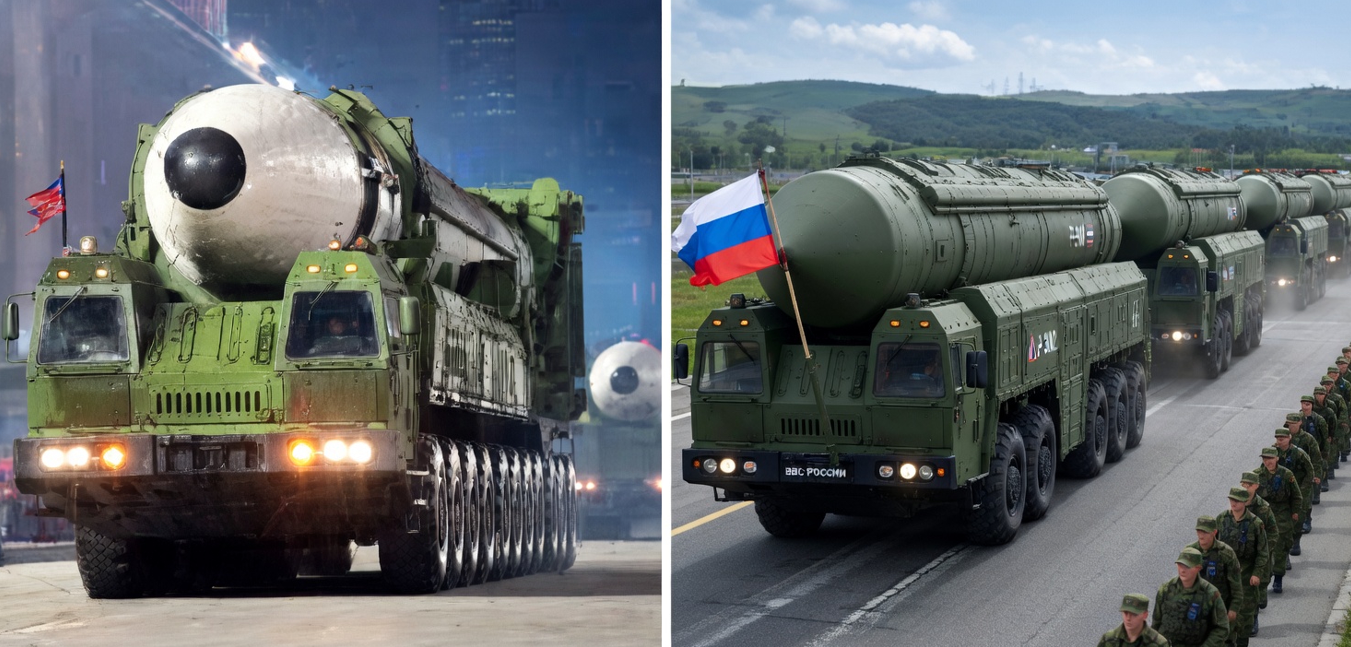
The debate over Europe’s defense readiness has intensified since Russia’s invasion of Ukraine, forcing European leaders to rethink long-standing security strategies. For decades, many European countries relied on diplomacy, economic integration, and NATO’s security guarantees to maintain stability. Military spending was often reduced as governments focused on political cooperation and trade. However, the war in Ukraine has challenged those assumptions and revived concerns about conventional conflict in Europe.
In response, European Union leaders have begun discussing stronger deterrence and greater military cooperation. During meetings in Brussels, officials emphasized the need to strengthen defense capabilities and improve readiness across the continent. Last December, EU leaders approved a €90 billion loan package to support Ukraine, highlighting Europe’s continued commitment to Kyiv during the conflict.
European Commission President Ursula von der Leyen has also introduced new defense initiatives aimed at improving military capacity by 2030. These measures include closer cooperation among EU member states and increased investment in defense industries. Meanwhile, warnings from security officials have raised further concerns. NATO Secretary General Mark Rutte cautioned that Russia could threaten NATO territory within five years, while German Defense Minister Boris Pistorius warned Europe may have experienced its “last summer of peace.” As a result, strengthening defense readiness has become a central priority for European policymakers.