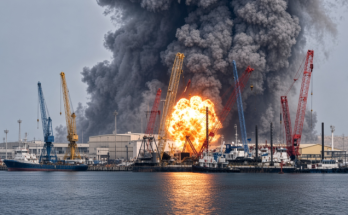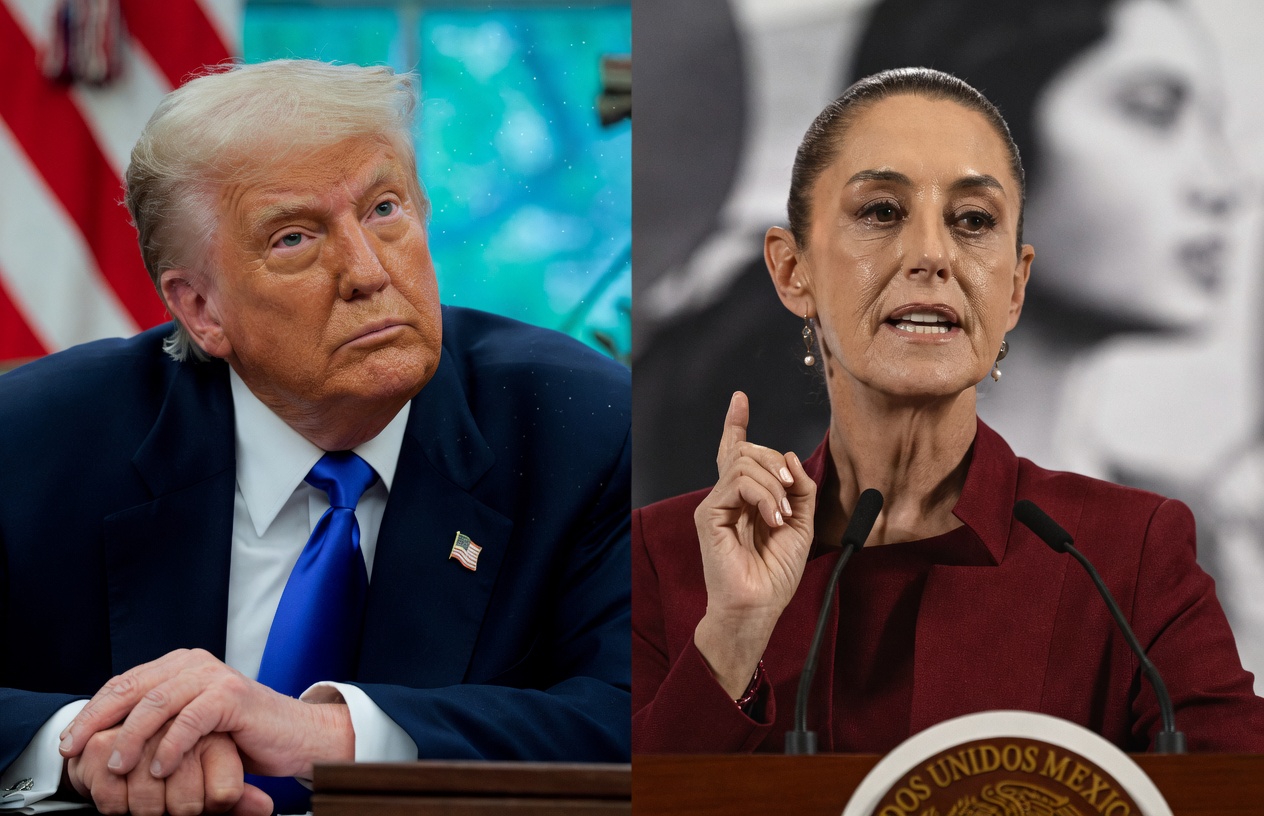
World leaders reacted swiftly on Saturday after President Donald Trump announced that the United States had carried out a “very successful attack” on three key Iranian nuclear facilities, including the heavily fortified Fordo site, as well as Natanz and Isfahan.
In a post on Truth Social, Trump declared the operation a major victory, stating: “This is an HISTORIC MOMENT FOR THE UNITED STATES OF AMERICA, ISRAEL, AND THE WORLD. IRAN MUST NOW AGREE TO END THIS WAR.” He emphasized that U.S. aircraft had safely exited Iranian airspace after dropping a full payload of bombs, primarily on the underground Fordo enrichment facility, which is buried deep in a mountain.
Trump later addressed the nation from the White House, describing the strikes as a “spectacular military success” that had “completely and totally obliterated” Iran’s primary nuclear enrichment capabilities. The action marked a significant escalation, with the U.S. directly intervening in the ongoing conflict between Israel and Iran.
Iran’s response was immediate and defiant. Foreign Minister Abbas Araghchi condemned the strikes in a statement posted on X, calling the events “outrageous” and warning of “everlasting consequences.” He accused the U.S. of “extremely dangerous, lawless and criminal behavior” and urged every member of the United Nations to take alarm.
“In accordance with the UN Charter and its provisions allowing a legitimate response in self-defense, Iran reserves all options to defend its sovereignty, interests, and people,” Araghchi stated. Iranian officials confirmed the sites were hit but insisted the nuclear program would continue despite the damage.
Reactions from other world leaders varied widely, reflecting deep divisions over the U.S. decision to strike. Israeli Prime Minister Benjamin Netanyahu praised the operation, describing it as a coordinated effort that would set back Iran’s nuclear ambitions by years and calling Trump’s move a demonstration of “peace through strength.”
The United Nations Secretary-General António Guterres expressed grave concern, labeling the strikes a “dangerous escalation” in an already volatile region and a threat to international peace and security. He reiterated that there is no military solution to the crisis and called for an immediate return to diplomacy.
European leaders adopted a more cautious tone. France, Germany, and the United Kingdom jointly urged all parties to exercise restraint and pursue a negotiated settlement. UK Prime Minister Keir Starmer offered measured support while stressing the need to protect civilians and respect international law. Germany’s Chancellor called on Iran to begin immediate negotiations.
Russia, a key Iranian ally, strongly condemned the attacks as unprovoked aggression that could destabilize the broader region and beyond. China echoed concerns about escalation and violation of sovereignty.
Other nations, including several in the Middle East and Asia, warned of potential wider conflict, rising energy prices, and risks to global stability. Oman, which had been facilitating indirect talks, expressed dismay that diplomatic efforts had been undermined.
As assessments of the damage continue, analysts suggest the strikes may have delayed Iran’s nuclear program significantly, though experts caution that full long-term impacts remain unclear. The situation remains fluid, with fears of Iranian retaliation and further U.S. or Israeli action if Tehran does not de-escalate.
Trump’s announcement has injected the United States more deeply into the Middle East conflict, raising questions about the path forward—whether toward renewed diplomacy or expanded hostilities. For now, the world watches closely as tensions simmer.