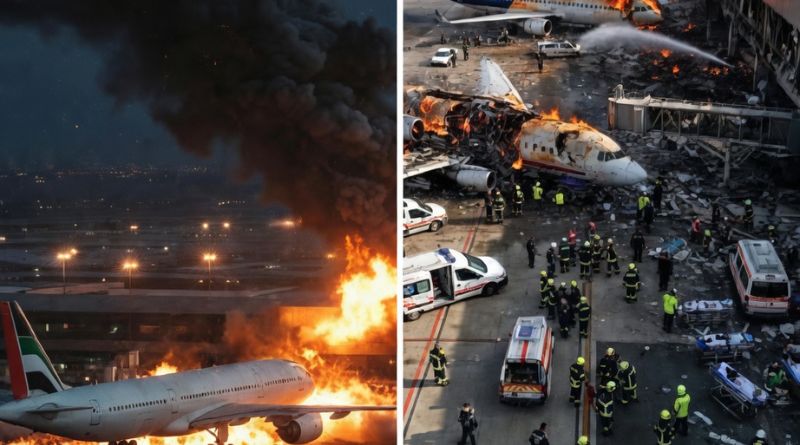
In a sharp escalation of the ongoing Middle East conflict, Iran has launched ballistic missiles toward Tel Aviv, with reports indicating some were equipped with cluster warheads. Iranian officials framed the assault as direct retaliation for the assassination of a senior Iranian security figure by Israeli forces. The strikes produced visible flashes across central Israel, inflicted damage on infrastructure, and resulted in the tragic deaths of at least two civilians.
Cluster munitions function by dispersing dozens of smaller explosive submunitions across a broad area, increasing the chance of hitting dispersed targets. However, they carry severe humanitarian concerns: many bomblets fail to detonate on impact, leaving behind unexploded ordnance that can kill or maim civilians, including children, long after the initial attack ends. Human rights groups have condemned their use in populated zones as inherently indiscriminate and potentially in violation of international law.
This latest missile barrage forms part of a dangerous cycle of violence that has intensified since early 2026. Iran has conducted repeated attacks on Israeli population centers, U.S. military installations, and facilities belonging to American allies in the Gulf region, including Kuwait, Bahrain, the United Arab Emirates, and Saudi Arabia. These operations followed a wave of targeted assassinations of high-ranking Iranian officials, which Tehran has repeatedly pledged to avenge.
In turn, Israel and the United States have responded with airstrikes deep inside Iranian territory, focusing on military sites, missile production facilities, and elements of Iran’s nuclear program. The diverging priorities between Washington and Jerusalem have become increasingly apparent amid the widening conflict. Israel’s multi-layered air defense network—including the Iron Dome for shorter-range threats and the Arrow-3 system for ballistic missiles—has successfully intercepted a significant portion of incoming projectiles. Yet the sheer volume of attacks, combined with the introduction of cluster warhead technology, has complicated complete protection and allowed some munitions to reach ground targets.
Civilians on both sides continue to bear the brunt of the hostilities. Reports of injuries, fatalities, and widespread property damage have risen steadily, with residential areas, infrastructure, and public spaces affected in Israel. Similar risks loom over populations in the broader region as the fighting spreads.
The global repercussions are already significant. Energy markets have experienced sharp price surges due to disruptions and threats to Gulf oil infrastructure and shipping routes. International leaders express deepening alarm over the potential for further uncontrolled escalation, including risks to critical maritime chokepoints. Despite ongoing diplomatic overtures, both Iran and Israel have signaled determination to press forward with military operations, leaving the Middle East in a precarious state of heightened alert and profound uncertainty.