Trump Executive Order Targets International Students in Anti-Israel Protests
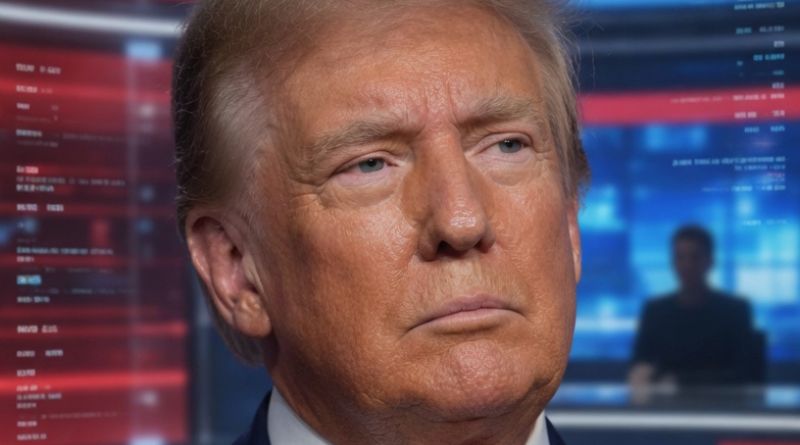
President Donald Trump signed an executive order on combating antisemitism that has led to the revocation of student visas and deportation proceedings against non-citizen students involved in certain campus protests. The policy, rooted in earlier actions from early 2025, directs federal agencies to use immigration authority against international students participating in demonstrations deemed antisemitic or supportive of groups like Hamas. Supporters view it as a necessary defense of Jewish students amid rising campus tensions, while critics argue it threatens free speech and creates unequal rights on American campuses.
The order builds on efforts to address antisemitism that surged after the October 7, 2023, attacks on Israel. It instructs agencies to monitor and act against non-citizens whose activities create what officials describe as a hostile environment for Jewish students. U.S. citizens retain full First Amendment protections, but international students on visas face potential revocation and deportation—sometimes with re-entry bans—if found participating in prohibited protests. Universities that fail to curb such activities risk losing federal funding.
Core Provisions and Rationale
Key elements include broadening the definition of antisemitism to encompass some forms of Israel criticism, enabling swift visa revocations, and pressuring institutions to report suspected violations. The administration argues that studying in the U.S. is a privilege, not an entitlement, and that schools should not tolerate harassment or intimidation. Officials cite documented incidents of antisemitic harassment, vandalism, and threats against Jewish students since late 2023, framing the policy as essential to restoring civility and safety on campuses.
Supporters, including some Jewish organizations, welcome the move as a strong response to real harms. They contend that certain pro-Palestinian protests have crossed into hate speech, glorifying terrorism, or disrupting Jewish students’ ability to learn without fear.
Criticisms and Concerns
Civil liberties groups, including the ACLU, strongly oppose the policy. They argue it improperly conflates legitimate criticism of Israeli government policies with antisemitism, potentially chilling peaceful protest and academic debate on Palestinian rights. Opponents highlight risks of weak due process in immigration proceedings, where political officials may broadly interpret “anti-Israel” activity. Legal scholars warn that using deportation as a tool to police speech sets a troubling precedent that could undermine America’s image as a defender of free expression.
International students, many of whom chose U.S. universities for their open intellectual environment, now report self-censorship. Participation in vigils, panels, or even quiet advocacy feels risky. University administrators face dilemmas: enforce stricter protest rules to protect funding or challenge the order in court. Some campuses have already seen declining interest from international applicants in certain regions.
Broader Impacts and Future Outlook
The policy has sparked international concern, with human rights organizations claiming it damages U.S. leadership on free speech. At home, it has deepened polarization around the Israel-Gaza conflict rather than fostering dialogue. Real antisemitism, critics say, is better addressed through education, community efforts, and targeted enforcement of existing laws against violence or true threats—not blanket immigration penalties.
Legal challenges are underway in federal courts, testing the order’s constitutionality and scope. Congress could also intervene with legislation to support or constrain it. Outcomes may influence free speech boundaries for non-citizens for years to come.
In practice, the order establishes a two-tier system: American students can protest more freely, while international students weigh the high stakes of visa loss against expressing views on a contentious global issue. This tension strikes at the heart of what many see as core American values—open debate and equal protection under the law.