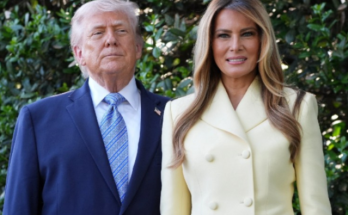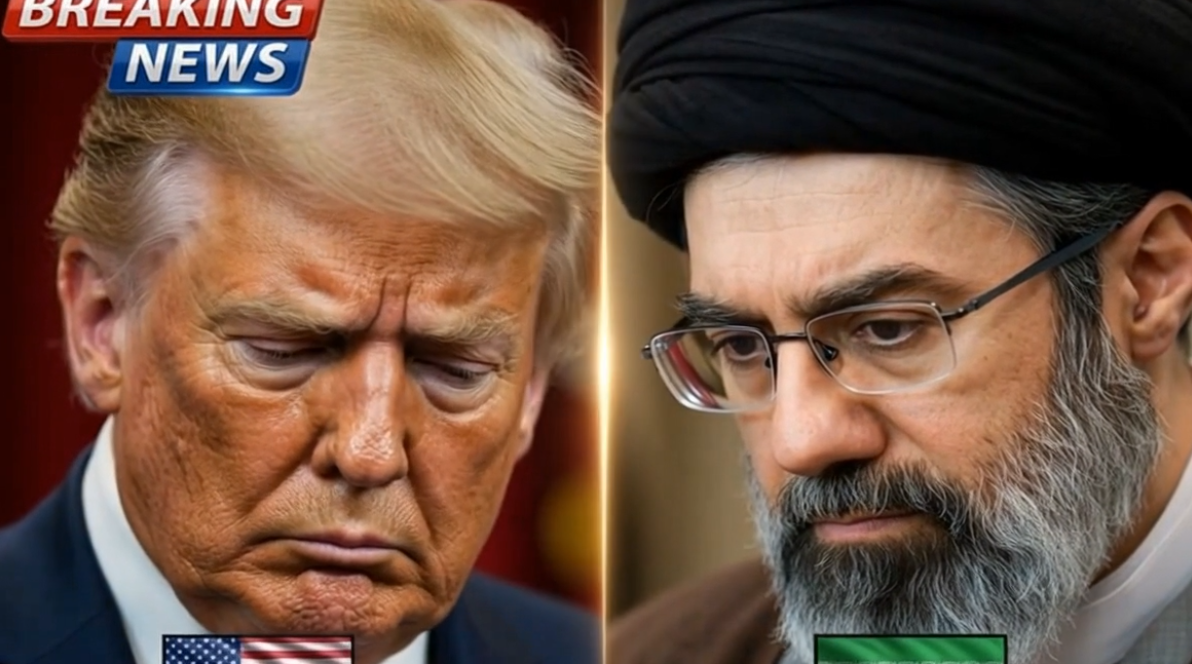
In response to provocative threats from U.S. President Donald Trump to strike Iran’s power plants and energy infrastructure, Tehran has drawn a firm red line, vowing swift retaliation against similar targets across the region.
Trump’s recent statements, including expletive-laden social media posts, warned of obliterating Iranian power facilities, bridges, and other critical sites if Tehran fails to reopen the Strait of Hormuz—a vital chokepoint for global oil shipments—by his imposed deadlines. In reply, Iranian officials, including parliament speaker Mohammad Bagher Ghalibaf and military spokesmen, declared that any assault on the country’s energy grid would trigger reciprocal attacks on U.S.-linked or regional energy, water, and infrastructure assets in the Gulf and beyond.
This marks a dangerous escalation in the ongoing conflict. Iran is explicitly abandoning prior restraints on targeting civilian and industrial facilities, framing its response as a direct tit-for-tat policy to deter further aggression. Officials have signaled that power plants, oil facilities, desalination plants, and even infrastructure supporting U.S. bases could become legitimate targets, raising the specter of a wider regional war.
Beyond strategy, Tehran is emphasizing the humanitarian fallout. Disrupting Iran’s energy systems would devastate hospitals, water supplies, emergency services, and daily civilian life, potentially causing widespread suffering and long-term instability. Such strikes, critics argue, risk crossing into war crimes territory by targeting essential civilian infrastructure.
The stakes extend far globally. The Middle East remains the world’s energy heartland; threats to power plants and the Strait of Hormuz could spike oil prices, rattle international markets, and disrupt supply chains for fuel, goods, and commodities. With both sides probing these new boundaries, the risk of miscalculation looms large—potentially drawing in neighboring states and escalating into a broader confrontation with profound economic and security consequences worldwide.
This war of words and competing narratives underscores a volatile moment, where deterrence signals could quickly spiral into devastating action, threatening not only regional peace but global stability.