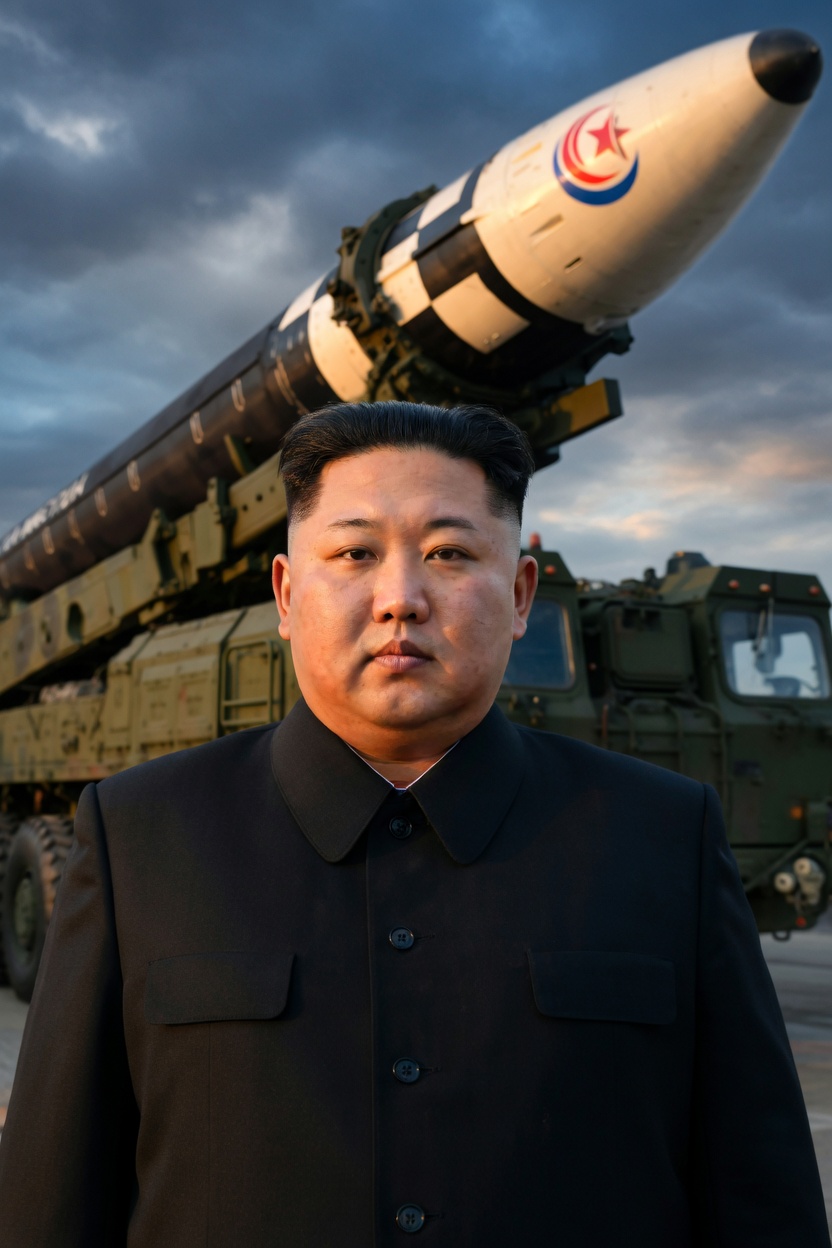
Sensational Headline Claims North Korea Directly Threatened Trump—But the Details Tell a Different Story
A headline screaming that North Korea has directly threatened Donald Trump is spreading rapidly across social media and news feeds. At first glance, it sounds alarming, evoking images of escalating tensions and potential crisis on the Korean Peninsula. The dramatic language—”BREAKING” alerts and phrases like “direct threat”—is crafted to spark immediate fear and urgency.
Yet, when you examine the claim more closely, the reality falls far short of the hype. There is no evidence of a new, specific threat aimed personally at President Trump. No confirmed military mobilization, no official statement from Pyongyang naming Trump, and no verified escalation tied directly to the U.S. leader. Instead, the story appears to blend routine North Korean rhetoric with unrelated regional developments, leaving out crucial context.
This is a classic example of clickbait journalism. Such headlines often exploit well-known names like Trump and Kim Jong-un, along with longstanding geopolitical tensions, to manufacture a sense of impending danger. They rely on vague wording, exaggerated elements, and incomplete facts, encouraging readers to assume the worst without providing solid evidence. The goal isn’t necessarily to inform—it’s to drive clicks, shares, and engagement in an crowded digital landscape.
In truth, North Korea’s public statements have followed familiar patterns in recent months. Pyongyang has issued general warnings about “hostile” U.S. policies, emphasized its nuclear capabilities as a deterrent, and criticized broader American actions abroad. However, these comments typically target Washington as a whole rather than Trump personally. Reports of missile tests or tough talk toward South Korea are common, but they do not equate to a fresh, direct confrontation with the current U.S. administration.
The mixing of unrelated events—such as North Korea’s longstanding nuclear program, responses to U.S.-South Korea military cooperation, or commentary on global conflicts—creates confusion. Readers encounter partial information and naturally fill in the gaps with worst-case scenarios, amplifying the story’s reach before facts can catch up.
This phenomenon highlights a broader challenge in today’s media environment. Sensationalism spreads faster than nuance, especially on platforms optimized for emotional reactions. Verification takes time: cross-checking with reputable sources, reviewing official statements from both sides, and distinguishing between routine posturing and genuine threats.
In the end, not every “breaking news” alert reflects a genuine crisis. Approaching such stories with skepticism—reading past the headline and seeking multiple reliable confirmations—remains essential. In an era of rapid information flow, the ability to separate fact from exaggeration isn’t just helpful; it’s a vital skill for informed citizenship. Understanding the difference protects us from unnecessary panic and keeps focus on real developments that matter.