President Donald Trump’s aggressive energy quarantine on Cuba aims to pressure the island’s communist regime toward collapse or major concessions, as the government struggles for survival amid decades of economic mismanagement. The policy, formalized through an executive order in late January 2026, imposes tariffs on countries supplying oil to Cuba and has effectively cut off key fuel shipments, particularly from Venezuela following the U.S.-backed change there.
The blockade has hit Cuba’s roughly 11 million residents hard. Fuel shortages have triggered widespread blackouts, crippled transportation, and worsened shortages of food, medicine, and even water, as diesel-powered pumps fail. Hospitals have curtailed operations, schools and businesses have closed intermittently, and inflation has surged as the Cuban peso weakens. Experts describe the situation as pushing the island toward a full humanitarian crisis on top of long-standing woes.
Sebastián Arcos, interim director of the Cuban Research Institute at Florida International University, noted the regime’s dire position: epidemics are spreading, repression is intensifying as leaders feel cornered, and there are no clear signals of willingness to negotiate openly with Washington. “These people are really, really bad guys, and they have shown this capacity to survive difficult crises,” he said. “I don’t think they can survive this one.”
Trump has floated the idea of a “friendly takeover” of Cuba, drawing parallels to the U.S. approach in Venezuela, where military action removed top leaders but preserved much of the underlying structure while demanding economic openness. He has repeatedly suggested the regime is “down to fumes” and that the U.S. could achieve significant influence or transformation on the island once other priorities, like operations against Iran, wind down.
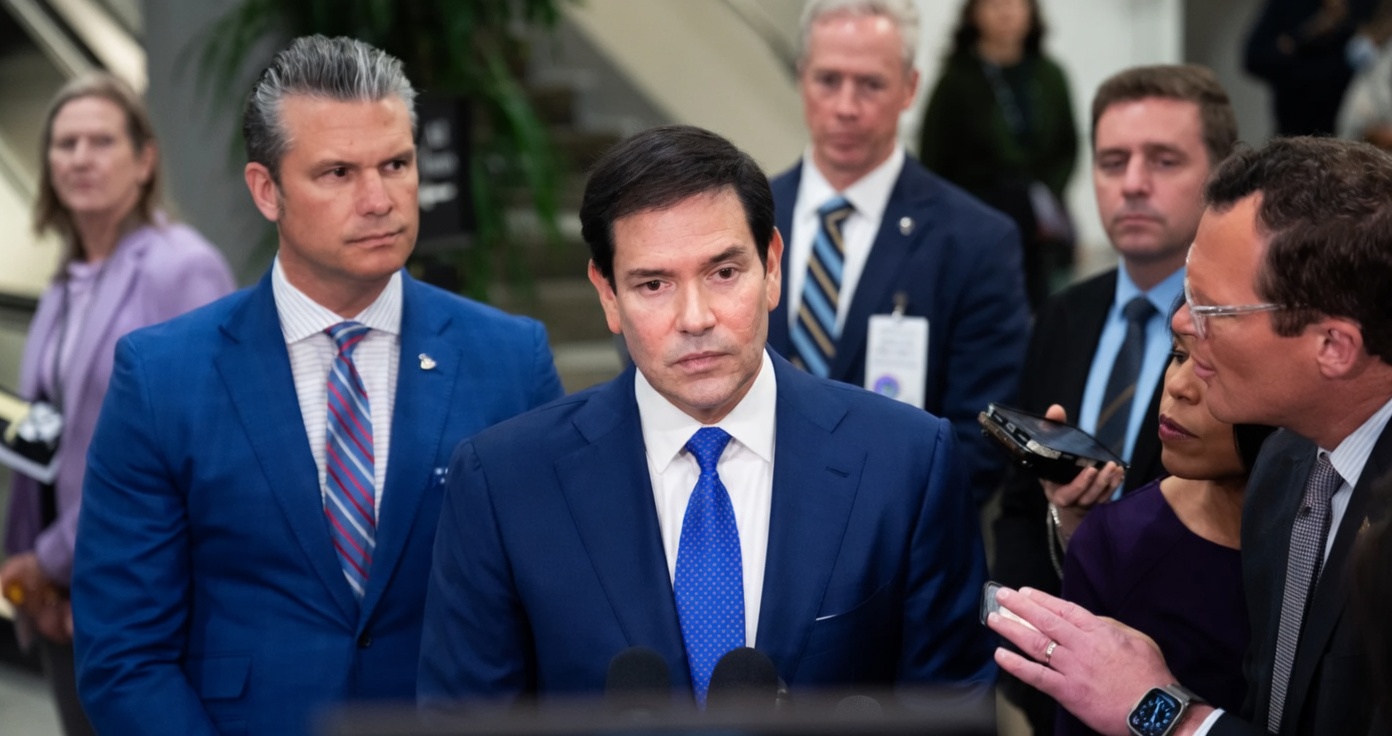
Secretary of State Marco Rubio is steering much of the Cuba strategy. Reports indicate U.S. officials close to him held discreet talks with Raúl Guillermo Rodríguez Castro—grandson and longtime bodyguard of 94-year-old Raúl Castro, the de facto power behind the scenes. The younger Castro, nicknamed “El Cangrejo” (The Crab), is widely believed to oversee GAESA, the military-run conglomerate that dominates large portions of Cuba’s economy, including tourism, retail, ports, and foreign trade. In 2024, GAESA was reported to control assets worth around $18 billion in opaque bank accounts and holdings. The meeting reportedly occurred on the sidelines of the CARICOM regional summit in St. Kitts and Nevis.
Rubio has signaled flexibility on the pace of change. Speaking to reporters, he emphasized that “Cuba needs to change… And it doesn’t have to change all at once.” The administration appears open to gradual economic reforms and greater cooperation rather than demanding instant regime change in Havana.
These Cuba developments unfolded against the backdrop of joint U.S.-Israeli military operations against Iran that began in late February or early March 2026. White House Press Secretary Karoline Leavitt stated that Secretary Rubio briefed senior congressional leaders—known as the “Gang of Eight”—prior to the strikes. The group includes the majority and minority leaders of the Senate and House, plus the chairs and ranking members of the intelligence committees.
“President Trump monitored the situation overnight at Mar-a-Lago alongside members of his national security team. The President spoke with Prime Minister Netanyahu by phone,” Leavitt posted on X. Rubio reached and briefed seven of the eight members before the operation. House Speaker Mike Johnson later confirmed the detailed briefing on potential action.
Critics, including Rep. Thomas Massie (R-Ky.), questioned the lack of full congressional authorization for acts of war. Massie and Rep. Ro Khanna (D-Calif.) had planned efforts to limit unilateral strikes. The administration has defended notifications to the Gang of Eight as satisfying legal requirements under the 1947 National Security Act, a long-standing interpretation used by presidents of both parties.
Separately, Rubio announced Iran’s designation as a state sponsor of wrongful detention, citing an executive order signed by Trump last fall and the Countering Wrongful Detention Act of 2025. The move warned of additional measures, such as geographic restrictions on U.S. passports for travel to or through Iran, if Tehran does not halt its practices.
As the Cuba energy crisis deepens and backchannel talks continue, the Trump administration maintains pressure while leaving room for negotiated shifts. Whether this leads to a “friendly takeover,” incremental opening, or prolonged standoff remains uncertain, but the regime’s options appear