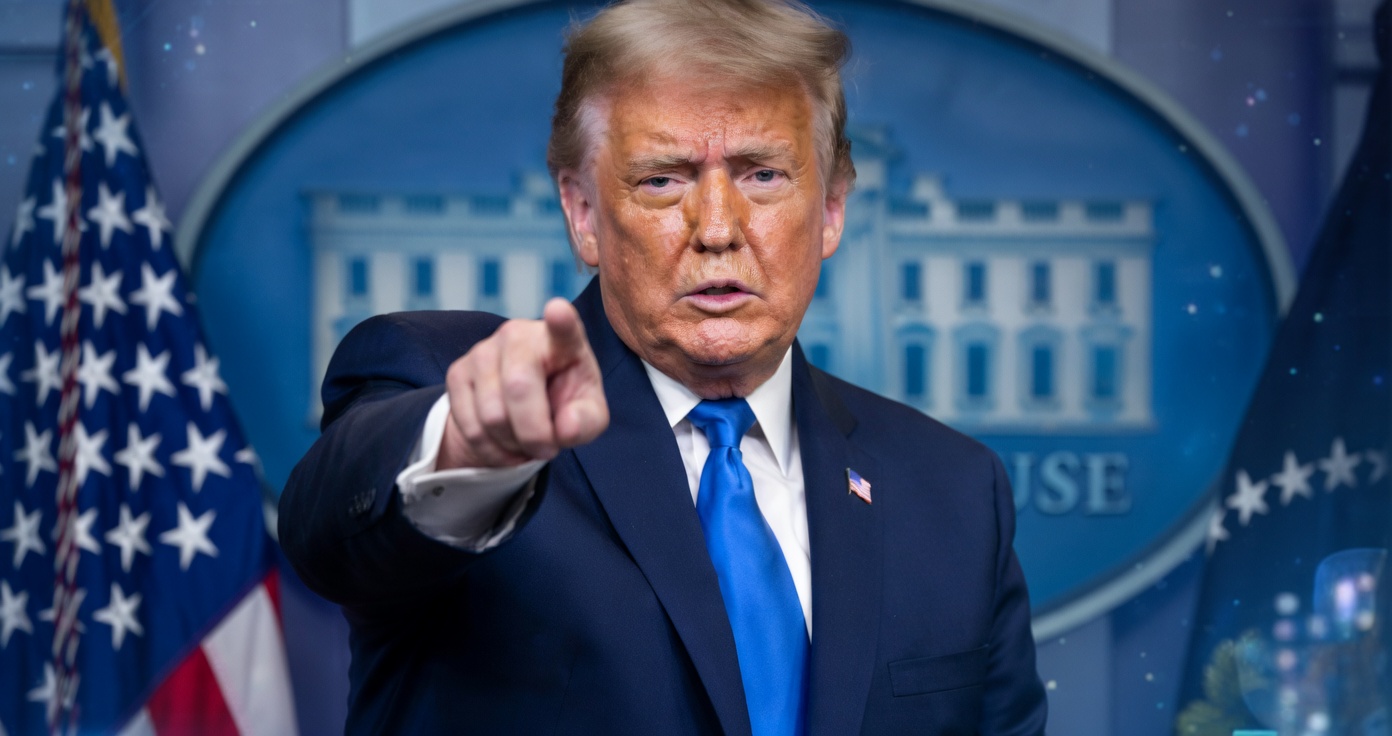
On a tense Thursday in August 2023, federal prosecutors unsealed a sweeping indictment against former President Donald Trump, accusing him of a deliberate scheme to undermine core democratic processes following the 2020 presidential election. The four-count document, brought by Special Counsel Jack Smith, charged Trump with conspiracy to defraud the United States, conspiracy to obstruct an official proceeding, obstruction of and attempt to obstruct an official proceeding, and conspiracy against rights. Prosecutors alleged these actions targeted the federal government’s function of collecting, counting, and certifying electoral votes, as well as the peaceful transfer of power.
The indictment portrayed Trump as unwilling to accept his election loss to Joe Biden. It claimed he knowingly spread false assertions of widespread voter fraud for more than two months after Election Day, despite being told repeatedly by advisers, campaign officials, and courts that the claims lacked merit. These statements, according to the document, created an atmosphere of mistrust aimed at pressuring state legislators, election officials, and Vice President Mike Pence to alter or delay the certification of results. Prosecutors outlined efforts involving alternate slates of electors in key states, attempts to leverage the Justice Department for sham investigations, and pressure on Pence to reject or return electoral votes during the January 6, 2021, joint session of Congress.
Central to the case was the allegation that Trump and unnamed co-conspirators—described as attorneys and allies willing to pursue aggressive strategies—worked to obstruct the official congressional proceeding on January 6. One charge focused on corruptly impeding the certification, while another addressed the broader conspiracy to defraud the government by impairing its lawful electoral functions. The final count accused the former president of conspiring to injure, oppress, or intimidate voters in the exercise of their constitutional right to have their votes counted fairly.
While the 45-page indictment provided a detailed narrative of events from mid-November 2020 through early January 2021, some elements remained subject to ongoing legal interpretation. Trump pleaded not guilty at his arraignment days later, and his legal team argued the charges infringed on protected political speech and official presidential conduct. The case faced significant complications after the Supreme Court’s 2024 ruling on presidential immunity, which led to a superseding indictment narrowing the scope to non-immune actions. Ultimately, following Trump’s victory in the 2024 election, the Department of Justice moved to dismiss the charges in November 2024, citing Department policy against prosecuting a sitting president. Special Counsel Smith’s final report, released in January 2025, maintained that the evidence would have supported a conviction at trial absent those developments.
For many Americans following the events, the indictment underscored deep divisions over the boundaries of political power and legal accountability. Supporters viewed the prosecution as politically motivated lawfare designed to hinder a leading candidate, while critics saw it as a necessary defense of democratic norms against efforts to subvert election results. Legal analysts described the charges as historic, testing how existing statutes apply to a former president’s conduct in the aftermath of a contested election.
As the judicial process unfolded before its dismissal, the case highlighted ongoing tensions in American governance: the resilience of institutions versus the intense partisanship of modern politics. Observers stressed the need for patience, reliance on court proceedings, and commitment to factual evidence over speculation. Though the federal charges no longer proceed, the episode continues to influence debates about election integrity, the limits of executive authority, and public trust in the rule of law.
The developments served as a reminder that democratic systems depend on both vigorous political competition and impartial legal safeguards. With the nation moving forward under new leadership, the legacy of these accusations may shape future discussions on how to balance accountability with the smooth functioning of government. In the end, the courts—and history—will continue to weigh the events of 2020-2021 and their broader implications for the republic.