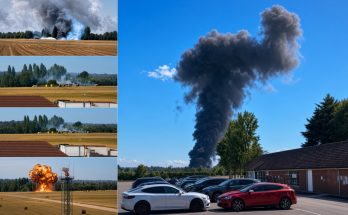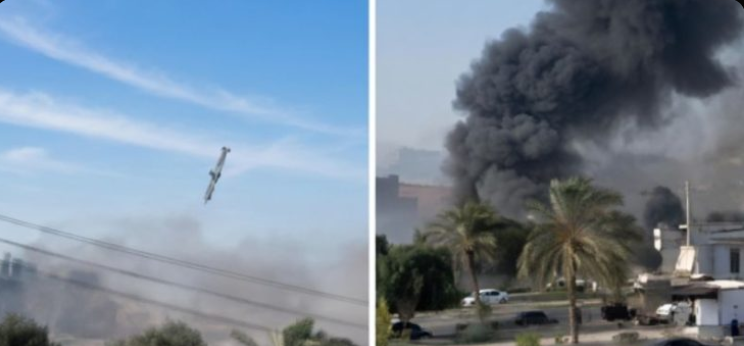
A missile strike on the Shajareh Tayyebeh girls’ elementary school in Minab, southern Iran, has triggered widespread international outrage and raised serious questions about civilian protection during conflict. The attack occurred on February 28, 2026, during the opening hours of the U.S.-Israeli military campaign against Iran. Three cruise missiles struck the school compound in rapid succession while classes were underway, with between 170 and 264 students—mostly girls aged 7 to 12—present inside the building.
Reports indicate that at least 165 to 175 people were killed, including dozens of schoolchildren, teachers, and some parents who had rushed to the scene. The first missile caused initial damage and panic, prompting the principal to move students to a safer interior area. Subsequent strikes hit that location directly, leading to catastrophic casualties and the near-total destruction of the concrete school building. Survivors and local residents described scenes of chaos, with smoke rising over the site and families desperately searching for loved ones amid the rubble.
The weapon involved was identified as a U.S.-made BGM-109 Tomahawk land-attack cruise missile, launched as part of strikes targeting an adjacent Islamic Revolutionary Guard Corps (IRGC) naval facility. The school, which had operated as a civilian educational institution for years and featured colorful decorations, a sports field, and a public online presence with student artwork, was located on the same block but physically separated from the military compound by a fence and other clear markers. Preliminary U.S. investigations have pointed to a targeting error, possibly stemming from outdated intelligence data that failed to reflect the building’s long-standing conversion into a school.
The incident has drawn sharp global condemnation, with UNESCO labeling it a grave violation of international law. Humanitarian organizations and world leaders have called for an independent, transparent investigation to establish accountability and prevent similar tragedies. Many emphasize the need for stricter safeguards for civilian infrastructure, especially schools, in active war zones. As more details emerge, the Minab attack underscores the devastating humanitarian cost of modern conflicts and the critical importance of accurate targeting to protect non-combatants.