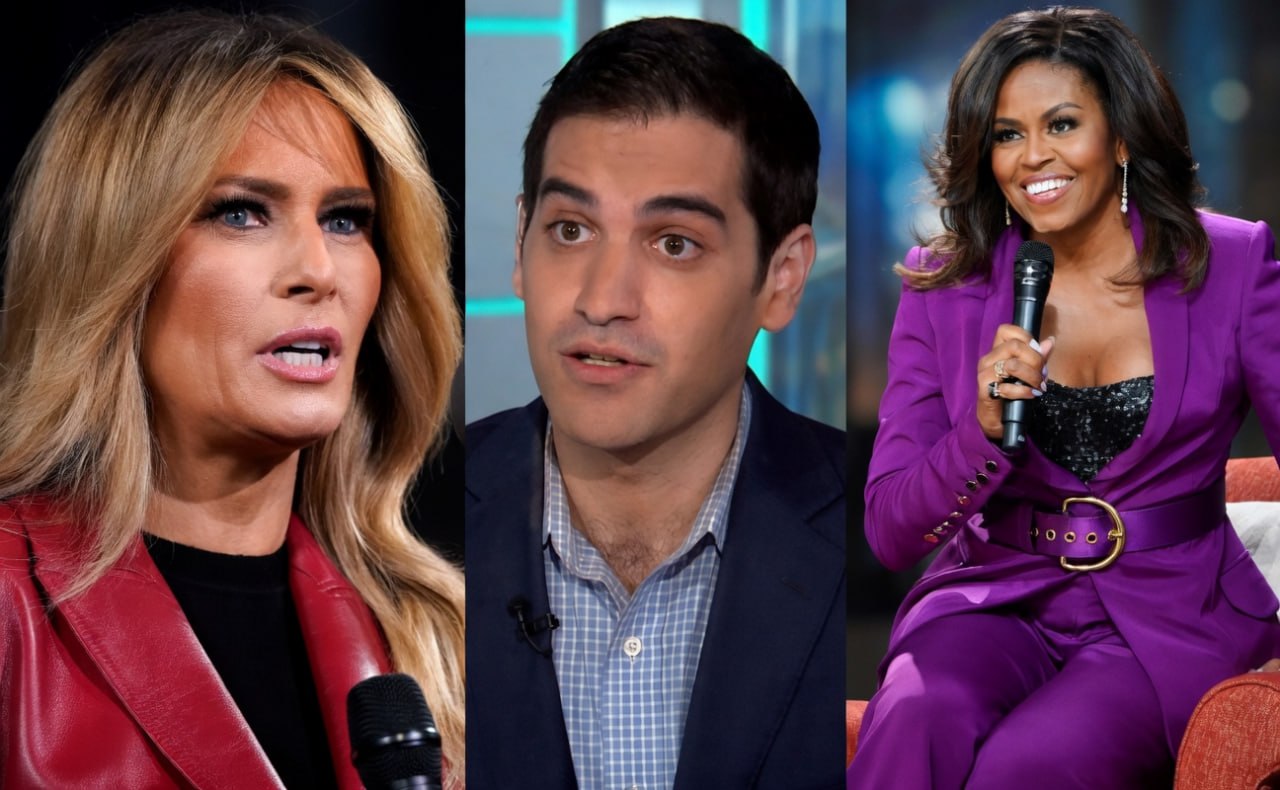
CNN data analyst Harry Enten recently highlighted Melania Trump’s historically low favorability ratings during her husband’s second term as president. On CNN, Enten pointed out that the first lady’s net favorable rating has sunk to -12 points—meaning unfavorable views outweigh favorable ones by a significant margin. This marks the lowest point ever recorded for her at this stage of a presidency.
Just over a year ago, in early 2025, her net rating stood at a modest +3. During Donald Trump’s first term, around the same point, it reached as high as +30. The sharp decline has drawn attention, with Enten describing the numbers as “absolutely awful” and “historically awful.”
Anchor Kate Bolduan asked for context by comparing Melania to previous first ladies. Enten displayed polling data showing stark differences: Michelle Obama at +42, Laura Bush at +46, Hillary Clinton at +25, and Nancy Reagan at +50—all well above water. Even Jill Biden maintained positive territory early in her husband’s term. Melania stands alone in negative territory among recent first ladies at this comparable point.
Public opinion polls, including YouGov surveys from early 2026, have similarly ranked Melania near the bottom among recent first ladies, with a net rating around -16 in some assessments. Factors cited by critics include her relatively low public profile, limited engagement in traditional first lady initiatives, and association with the controversies of the Trump administration. Supporters, however, often praise her for maintaining privacy, focusing on family, and avoiding the political spotlight that some predecessors embraced.
The drop reflects broader polarization in American politics, where perceptions of first ladies frequently mirror views of their husbands. Melania has long been one of the more enigmatic figures in the role—known for her modeling background, “Be Best” campaign in the first term, and preference for staying out of the fray. Her fashion choices and occasional public appearances continue to generate media interest, but they have not translated into broader popularity gains this time around.
Historically, first ladies like Michelle Obama and Laura Bush benefited from high visibility in causes such as health, education, and military families, which helped sustain strong approval even amid partisan divides. Melania’s approach has been more reserved, leading some observers to argue it limits her connection with the public.
Polls can fluctuate, and favorability often shifts with major events or increased visibility. Whether Melania Trump can reverse the trend remains to be seen, but current data places her in uncharted low territory for modern first ladies.