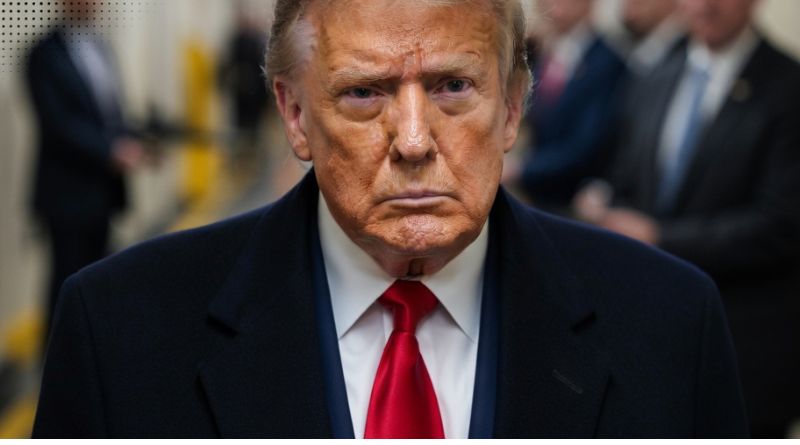
The anger from Donald Trump’s first presidency never fully dissipated. It simmered through years of investigations, two impeachments, and a contentious 2024 election. Now, early in his second term, that resentment has found a new outlet: an online petition calling for his impeachment.
Created in mid-December 2025 by the grassroots group Blackout The System, the Change.org petition accuses the Trump administration of rampant greed, corruption, and a lack of accountability. It claims repeated violations of the Constitution and demands action from all branches of government. While it carries no legal weight, the petition has become a visible symbol of ongoing dissent. As of early April 2026, it has surpassed 202,000 verified signatures, doubling past the 100,000 mark reached in January.
Supporters view each signature as a stand for justice and a moral reckoning with a presidency they believe undermines democratic norms. For them, the petition keeps alive questions of broken trust and ethical leadership that they argue were never fully resolved. Critics, however, dismiss it as political theater—a partisan “witch hunt” recycling familiar accusations without new, decisive evidence capable of swaying a Republican-controlled Congress.
In reality, impeachment remains a congressional power. The House would need a simple majority to pass articles, and the Senate a two-thirds vote for removal. With GOP majorities in both chambers, such proceedings face near-insurmountable odds absent a major bipartisan scandal.
Beyond mechanics, the petition highlights how digital activism now prolongs political battles long after Election Day. In a nation still deeply divided along fault lines that Trump continues to embody, online petitions serve as tools for mobilization, fundraising, and public signaling. They reflect selective public memory: one side sees unresolved corruption; the other sees relentless lawfare against a twice-elected leader.
Ultimately, these efforts underscore a broader truth. In polarized America, symbolic protests can amplify voices and sustain narratives, but real accountability still hinges on elections, legislative will, and institutional processes—not signature tallies. The debate over Trump’s legacy, responsibility, and power endures, even as the numbers climb.