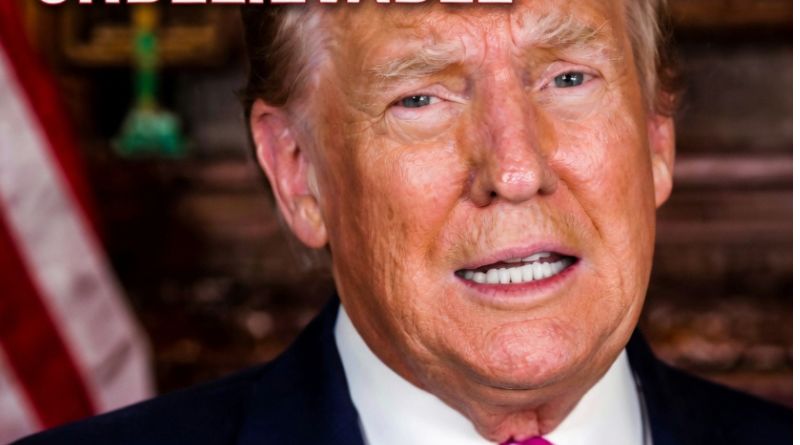
On that Thursday in August 2023, the U.S. justice system crossed a threshold it had never before approached: a former president was federally indicted for allegedly conspiring against the government he once led.
Special Counsel Jack Smith’s indictment charged Donald Trump with four felonies: conspiring to defraud the United States, conspiring to obstruct and actually obstructing an official proceeding (the January 6 electoral vote certification), and conspiring against rights protected by the Constitution. Prosecutors portrayed Trump’s post-election efforts—including alternate elector plans, pressure on state officials, and public claims of widespread fraud—as a coordinated attempt to subvert the lawful transfer of power after his 2020 defeat, not mere political maneuvering.
To millions of Americans, the charges represented overdue accountability for actions that shook confidence in the electoral process and culminated in the Capitol riot. To millions more, they exemplified lawfare: the weaponization of federal prosecutors against a political opponent, especially given Trump’s claims that he was acting on good-faith concerns about election integrity, protected speech, and advice from lawyers.
The case quickly became a constitutional flashpoint. Trump’s legal team argued absolute or presumptive immunity for official acts. In July 2024, the Supreme Court agreed in Trump v. United States, ruling that presidents enjoy absolute immunity for core constitutional powers and presumptive immunity for other official acts. The decision forced a superseding indictment that narrowed the allegations to non-immune conduct. Proceedings slowed as courts sorted through the complex new framework.
After Trump won the 2024 presidential election, the Department of Justice invoked its longstanding policy against prosecuting a sitting president. In November 2024, Special Counsel Smith moved to dismiss the case; District Judge Tanya Chutkan granted the motion without prejudice in late November. A final report released by Smith in January 2025 maintained that the evidence could have supported conviction at trial, but the case ended without one.
Whatever one’s view of the underlying events, the episode marked a historic first—and left lasting questions. It tested the boundary between political hardball and criminal conduct, the scope of presidential immunity, and the ability of institutions to resolve high-stakes disputes without descending into reciprocal prosecutions. The peaceful transfer of power occurred in January 2021 and again in 2025, yet public trust in the impartiality of the justice system eroded further on both sides of the divide.
This chapter is now closed, but its precedent endures. In a polarized republic, the line between accountability and retribution remains thin and fiercely contested.