Washington, long inured to political scandals and partisan clashes, is now confronting a fresh wave of constitutional tension. A surge of Democratic lawmakers—more than 70 in total, including at least a handful of senators—has publicly called for President Donald Trump’s removal from office, invoking the specter of impeachment or Section 4 of the 25th Amendment. The immediate catalyst was the president’s sharp rhetoric toward Iran, including a high-profile social media post warning that “a whole civilization will die tonight” amid escalating tensions over the Strait of Hormuz. Critics described the language as unhinged and reckless, raising questions about presidential fitness and judgment.
The controversy builds on earlier friction. In January 2026, a leaked text message from Trump to Norwegian Prime Minister Jonas Gahr Støre linked U.S. interest in Greenland to the president’s disappointment over not receiving the Nobel Peace Prize. Trump wrote that, since Norway had not awarded him the prize for what he described as stopping multiple wars, he no longer felt obligated to focus “purely on Peace.” That exchange, later released under freedom-of-information rules, fueled accusations that personal motives sometimes influence foreign policy decisions.
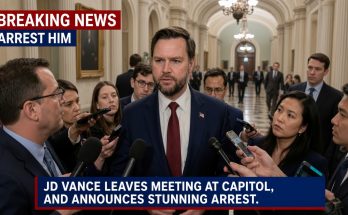
The recent Iran episode intensified the debate. After Trump issued a deadline for Iran to open the strait or face consequences, and referenced the potential destruction of a civilization, lawmakers including Reps. Ilhan Omar, Alexandria Ocasio-Cortez, Ro Khanna, and John Larson, along with Sens. Ed Markey and Ron Wyden, demanded action. Some called explicitly for the Cabinet and Vice President JD Vance to invoke the 25th Amendment’s Section 4, which allows the vice president and a majority of principal executive officers to declare the president “unable to discharge the powers and duties” of the office. Others introduced or supported articles of impeachment. Even after the administration announced a two-week ceasefire with Iran, the calls persisted from progressive and centrist Democrats alike.
Section 4 of the 25th Amendment—often called the “constitutional nuclear option”—has never been used to remove a sitting president. It sets an extraordinarily high bar: the vice president and Cabinet must act first, after which the president may contest the declaration, triggering a congressional vote requiring a two-thirds majority in both chambers to sustain the removal. Legal scholars emphasize that the amendment was designed for genuine incapacity, such as severe illness or injury, not for policy disputes or inflammatory statements, however heated. The framers of both the Constitution and the amendment deliberately made removal difficult to shield the executive from transient political passions or partisan majorities.
The White House has pushed back forcefully, characterizing the outcry as partisan opportunism and media distortion. Officials argue that Trump’s tough stance on Iran reflects decisive leadership aimed at protecting U.S. interests and deterring aggression, consistent with his long-standing “peace through strength” approach. They point to the subsequent ceasefire as evidence of effective deal-making rather than recklessness.
Public pressure has amplified the story. Grassroots campaigns, including petitions organized by groups like Free Speech For People, have gathered well over one million signatures urging Congress to pursue impeachment proceedings. These efforts frame the moment as a test of institutional accountability ahead of the 2026 midterms. For Democrats, the issue offers a rallying point to portray the administration as volatile. For Republicans, who largely control the levers of power and show little appetite for joining removal efforts, it represents yet another instance of overreach by the opposition.
The episode underscores deeper divides in American politics. Washington routinely absorbs friction—two prior impeachments during Trump’s first term ended in Senate acquittals—but the frequency and intensity of constitutional rhetoric have become normalized. Global markets and international partners monitor the situation with concern, wary of any perception of instability at the heart of U.S. leadership. Allies and adversaries alike watch to see whether domestic political theater will spill into foreign policy outcomes.
As hearings and floor statements loom, the coming weeks will test whether these removal discussions remain symbolic protest or evolve into substantive proceedings. History suggests the guardrails—high evidentiary and voting thresholds, separation of powers, and the electoral calendar—have withstood previous storms. The republic’s stability ultimately rests not on any single controversy but on the resilience of its institutions and the judgment of its citizens at the ballot box. Whether this latest reckoning fades into the capital’s familiar noise or marks a deeper erosion of trust remains to be seen.