In a significant escalation of the ongoing Iran-Israel war, Iran launched multiple ballistic missiles toward Tel Aviv and central Israel, with several reportedly armed with cluster warheads. Iranian officials described the strikes as retaliation for Israeli and U.S. assassinations of senior Iranian figures, including high-ranking security officials and IRGC commanders, amid the broader conflict that erupted on February 28, 2026.
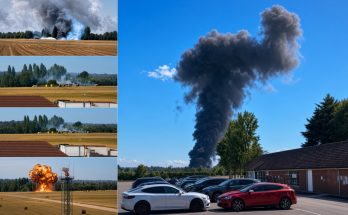
The attacks produced visible flashes and explosions over densely populated areas near Tel Aviv, including impacts in Petah Tikva, Ramat Gan, and surrounding suburbs. Cluster munitions dispersed dozens of submunitions across wide areas, striking residential zones, infrastructure, and open spaces. These weapons, which release small bomblets designed to saturate targets, have raised serious humanitarian concerns due to their indiscriminate nature and the persistent danger of unexploded ordnance that can detonate long after the initial strike.
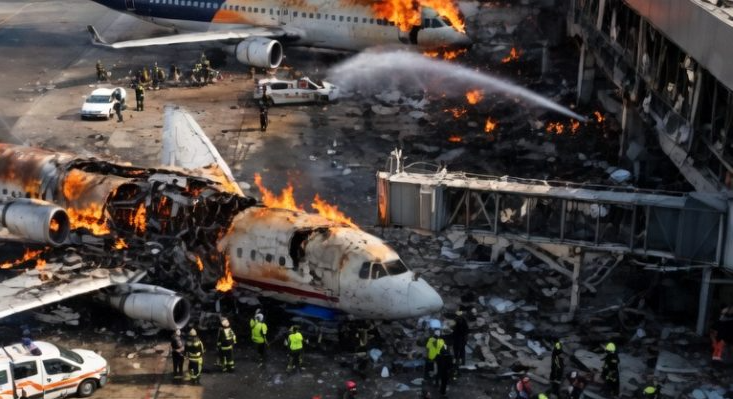
Israeli air defenses, including the Iron Dome, David’s Sling, and Arrow-3 systems, intercepted the majority of incoming projectiles. However, the sheer volume—part of over 650 ballistic missiles fired by Iran since late February—and the use of cluster warheads have challenged complete protection. Some missiles broke apart mid-air or released their payloads, leading to kinetic impacts and scattered bomblets that caused damage to buildings, roads, and civilian infrastructure. Tragically, at least two civilians were reported killed in the latest incidents, contributing to a total Israeli death toll of around 24 civilians and soldiers from Iranian strikes, with thousands more injured or displaced. Earlier cluster attacks killed civilians in areas like Yehud, Ramat Gan, and Bnei Brak, while a conventional warhead strike in Haifa buried four family members under rubble.
This latest barrage fits into a pattern of daily Iranian retaliation since the initial U.S.-Israeli airstrikes targeted Iranian military sites, leadership, and nuclear-related infrastructure. Iran has also struck U.S. bases and allied facilities in Gulf countries, including Kuwait, Bahrain, the UAE, and Saudi Arabia, while disrupting shipping through the Strait of Hormuz. In response, Israel and the United States conducted extensive airstrikes inside Iran, degrading missile production facilities, petrochemical plants, and other targets.
The humanitarian toll has mounted on multiple fronts. Cluster munitions have drawn condemnation from groups like Human Rights Watch and Amnesty International, which argue their use in populated areas violates international humanitarian law due to the risk to civilians. On the Israeli side, residents face repeated sirens, shelter stays, and psychological strain. Regional spillover has affected Lebanon through intensified Israel-Hezbollah clashes.
Globally, the conflict has driven surges in energy prices following attacks on Gulf infrastructure and threats to vital shipping lanes. Oil markets remain volatile, with concerns over prolonged disruptions.
As of April 11, 2026, a fragile two-week ceasefire between the U.S. and Iran—brokered via Pakistani mediation and announced around April 8—has taken effect, tied to issues like reopening the Strait of Hormuz. However, it faces immediate challenges: reports of continued tensions, including Israeli operations in Lebanon, and ongoing diplomatic talks in Islamabad between U.S. and Iranian delegations. Both sides claim strategic gains, but divergences persist over Iran’s nuclear program, sanctions, and the scope of any truce.
Civilians on all sides continue to bear the brunt of the violence, with property damage rising and long-term risks from unexploded cluster bomblets adding to the uncertainty. Diplomatic efforts aim to prevent further escalation, yet both Iran and Israel have signaled resolve to defend their interests, leaving the Middle East in a precarious state of heightened alert. The coming days of negotiations will prove critical in determining whether this pause can evolve into a more durable de-escalation.