Trump’s Cuba Energy Quarantine: Pressure Mounts on the Regime
President Donald Trump’s administration is intensifying its “maximum pressure” campaign against Cuba through an effective energy quarantine. By blocking fuel shipments and imposing tariffs on countries that supply oil to the island, the U.S. aims to push the long-ruling communist government toward meaningful change or collapse. This policy builds on the fallout from the U.S. operation that removed Venezuelan leader Nicolás Maduro in early 2026, cutting off Cuba’s primary subsidized oil source.
Cuba, home to about 11 million people, now faces its worst energy crisis in decades. Power plants struggle with severe shortages, leading to prolonged blackouts—sometimes nationwide—and daily outages lasting 18 hours or more in many areas. Hospitals rely on backup generators, water distribution falters, and families endure long lines for scarce food and medicine. Experts report worsening humanitarian conditions, including the spread of health issues amid crumbling infrastructure. Florida International University’s Sebastián Arcos has described the situation as dire, noting rising repression as the regime feels cornered, with little sign of willingness to negotiate broadly.
How the Quarantine Operates The strategy deters tankers through sanctions threats and secondary tariffs. After Venezuelan supplies dried up, Cuba went months without major imports. The government has rationed fuel heavily, while the aging power grid—plagued by years of mismanagement and underinvestment—frequently collapses. Trump has publicly mused about a “friendly takeover” of Cuba, citing the Venezuela model where U.S. pressure led to leadership shifts while preserving some economic structures for potential cooperation.
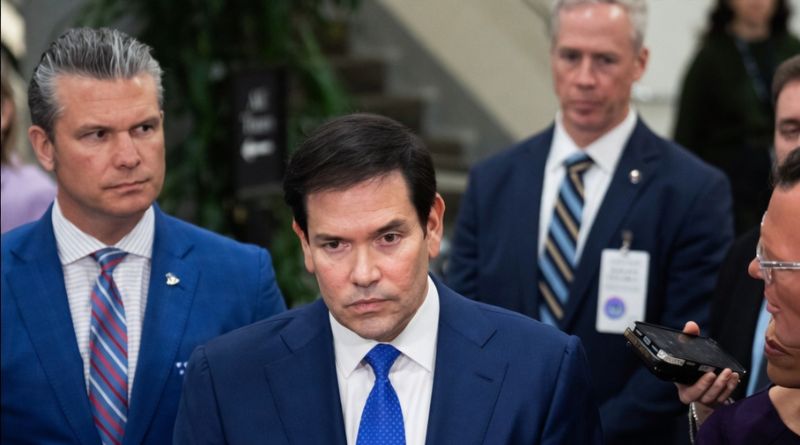
Diplomatic Maneuvers Secretary of State Marco Rubio is central to the effort. In late February 2026, U.S. officials close to Rubio held quiet talks with Raúl Guillermo Rodríguez Castro—Raúl Castro’s grandson, former bodyguard, and head of the powerful military-linked GAESA conglomerate—in St. Kitts and Nevis during a Caribbean summit. Rubio has signaled that Cuba “needs to change,” but not necessarily all at once, hinting at possible gradual economic reforms rather than abrupt regime implosion. No major breakthroughs have been announced, though back-channel contacts continue.
Parallel with Iran and Regional Stakes The Cuba push coincides with U.S.-Israel strikes on Iran under Operation Epic Fury, raising questions about managing multiple fronts. The White House maintains both operations remain targeted and limited. For Cuba, prolonged crisis risks mass migration toward Florida and regional instability. Ordinary Cubans suffer most from shortages, while regime elites reportedly maintain hidden assets.
The approach tests whether sustained leverage can force concessions without chaos. History shows Cuban authorities have weathered past crises through repression and external lifelines, but fuel dependency makes this pressure uniquely acute. Success hinges on Havana’s response and the balance between humanitarian costs and strategic goals. Gradual reform could open economic doors; sudden collapse might invite uncertainty near U.S. shores.