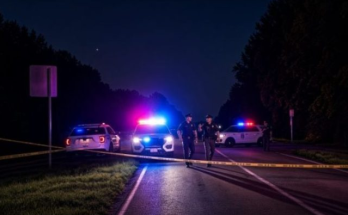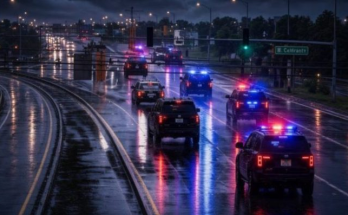
On a warm summer afternoon in August 2023, what began as a routine traffic stop at a U.S. Border Patrol immigration checkpoint on U.S. Highway 57 in South Texas quickly escalated into a dangerous confrontation. Kevin Dominguez, a 26-year-old man from Katy, Texas (near Houston), approached the checkpoint in a sedan. A trained K-9 unit alerted agents to the trunk, prompting further inspection. Hidden inside was an individual concealed in an apparent human smuggling attempt.
Moments after agents discovered the person in the trunk, Dominguez made a split-second decision that changed everything. Instead of complying with instructions, he abruptly reversed the vehicle, striking a federal Border Patrol agent and endangering everyone in the immediate area—including the hidden passenger. The reckless maneuver injured the agent and triggered a brief pursuit as Dominguez attempted to flee the scene. The escape failed, leading to his immediate arrest.
The incident highlighted the volatile nature of checkpoint operations along the southern border, where agents routinely intercept smuggling efforts using vehicle compartments. In extreme summer heat, such concealment methods can also pose life-threatening risks to those hidden inside due to lack of ventilation and high temperatures.
Dominguez was indicted on two counts in September 2023 and arrested shortly thereafter. On January 24, 2024, he pleaded guilty to one count of assaulting, resisting, or impeding certain officers or employees. The charge focused on his use of the vehicle as a weapon against the federal agent during the attempted flight.
In February 2025, U.S. District Court in Del Rio sentenced Dominguez to 18 months in federal prison, followed by a term of supervised release. The punishment took into account the agent’s injuries and subsequent recovery, the seriousness of assaulting a law enforcement officer, the endangerment of the individual in the trunk, and other factors under federal sentencing guidelines. While the sentence reflected a balance of accountability and context, public reactions have varied—some consider it a measured response given that no one was killed, while others debate whether it adequately deters similar impulsive actions at border checkpoints.
This case serves as a stark reminder of how quickly a routine enforcement encounter can spiral due to panic-driven choices. Human smuggling via hidden vehicle compartments remains a persistent tactic at checkpoints, often detected by diligent canine teams. Yet, as seen here, attempts to evade detection through violence or flight carry severe legal consequences, turning what might have been a lesser immigration or smuggling-related offense into a felony assault case with lasting repercussions.
The events on U.S. Highway 57 underscore a broader lesson in high-pressure situations: one impulsive decision, made in seconds, can endanger lives and result in years of legal and personal consequences. Federal authorities continue to emphasize the importance of compliance during checkpoint operations to ensure safety for agents, the public, and those potentially involved in smuggling activities.