U.S. Revokes Visas of Brazilian Supreme Court Justice and Allies Amid Bolsonaro Prosecution; Venezuela Prisoner Swap Completed
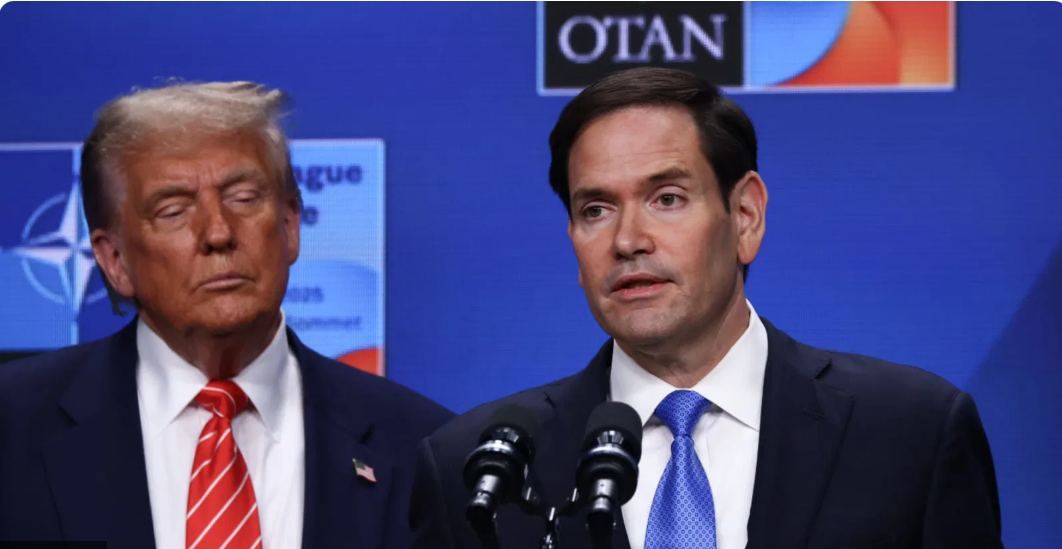
Secretary of State Marco Rubio announced late Friday that the United States has revoked the visas of Brazilian Supreme Federal Court Justice Alexandre de Moraes, several of his judicial colleagues, and their immediate family members. The move responds to what Rubio called a “political witch hunt” against former Brazilian President Jair Bolsonaro.
“President Trump made clear that his administration will hold accountable foreign nationals responsible for censorship of protected expression in the United States,” Rubio stated. He accused Justice de Moraes of creating a sweeping “persecution and censorship complex” that violates Brazilians’ basic rights and extends to targeting Americans. The visa revocations took effect immediately and reportedly affected up to eight of Brazil’s 11 Supreme Court justices.
The announcement came hours after Brazil’s highest court issued restraining orders, search warrants, and other measures against Bolsonaro. Authorities raided his residence, barred him from contacting foreign officials, and placed an ankle monitor on the former leader. A ruling also banned Bolsonaro from using social media, citing fears he might flee the country—a claim he has denied.
Bolsonaro faces charges related to an alleged attempt to overturn Brazil’s 2022 election results, including a purported “coup” plot after his defeat by current President Luiz Inácio Lula da Silva. He and his allies maintain the cases are politically motivated. The 70-year-old former president has described the proceedings as causing him “supreme humiliation.” He is already barred from running for office until 2030.
Days earlier, President Trump had escalated pressure by threatening—and later imposing—50% tariffs on Brazilian imports in response to the prosecution and related concerns over free speech and treatment of U.S. companies.
In a separate development on the same day, Venezuela released 10 jailed U.S. citizens and permanent residents as part of a three-nation prisoner swap. In exchange, El Salvador repatriated more than 250 Venezuelan nationals—many previously deported from the U.S. and held in its high-security CECOT prison on suspected ties to gangs like Tren de Aragua. The U.S. had previously paid El Salvador to detain the group as part of its immigration enforcement efforts.
“Every wrongfully detained American in Venezuela is now free and back in our homeland,” Rubio said, thanking Salvadoran President Nayib Bukele. Venezuelan President Nicolás Maduro described the day as one of “blessings and good news.” Bukele confirmed his country had handed over all relevant Venezuelan nationals in custody.
The coordinated actions highlight the Trump administration’s use of diplomatic, economic, and enforcement tools in Latin America.