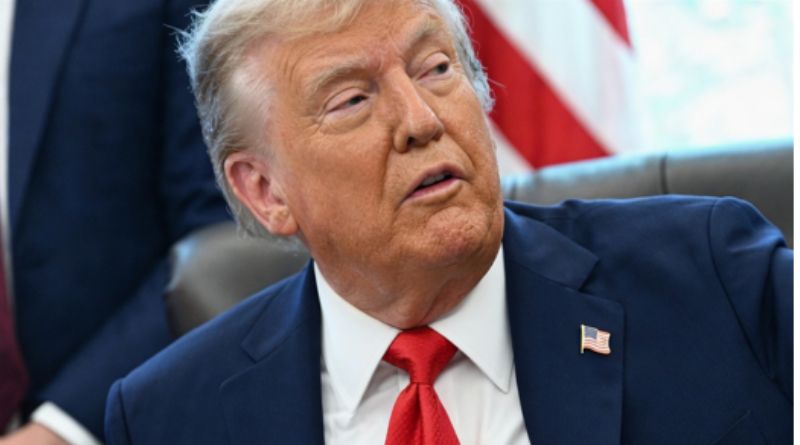
President Donald Trump has been diagnosed with chronic venous insufficiency (CVI), a common circulatory condition, the White House announced on July 17, 2025. Press Secretary Karoline Leavitt confirmed the diagnosis during a briefing in Washington, D.C., following observations of mild swelling in the president’s lower legs.
According to a memo from the president’s physician, Capt. Sean P. Barbabella, Trump, 79, underwent a comprehensive medical evaluation, including bilateral lower extremity venous Doppler ultrasounds. The tests revealed chronic venous insufficiency but ruled out more serious concerns such as deep vein thrombosis (DVT), arterial disease, heart failure, renal impairment, or other systemic issues. The White House emphasized that Trump remains in excellent overall health and that the condition is benign and manageable, particularly common in individuals over the age of 70.
Chronic venous insufficiency occurs when the valves in the leg veins weaken over time, impairing their ability to push blood upward against gravity back to the heart. As a result, blood can pool in the lower legs, leading to swelling (edema), discomfort, heaviness, or visible changes in the skin and veins. Risk factors include advanced age, prolonged periods of standing or sitting, and other circulatory changes that often accompany aging. The condition is not life-threatening and does not prevent Trump from carrying out his presidential duties.
The announcement came after recent public appearances sparked speculation about the president’s health. Photographs showing slower movement and noticeable leg swelling prompted the precautionary check-up. Officials acted quickly to provide transparency and reassurance to the public. Leavitt also addressed separate observations of bruising on Trump’s right hand, attributing it to frequent handshaking combined with his daily aspirin regimen for cardiovascular prevention.
Public reaction was swift, with supporters expressing concern and encouragement on social media. Hashtags such as #TrumpStrong and messages of well-wishes trended as many learned more about the condition. Medical experts note that CVI is routinely managed through lifestyle measures like leg elevation, compression stockings, regular exercise, and weight management. In some cases, additional treatments may be recommended, though the White House has confirmed Trump is receiving appropriate care and monitoring.
The diagnosis arrives amid a demanding schedule for the president, including frequent travel and public events. Officials stressed that the condition is under control and will not interfere with his responsibilities. This update also highlights broader realities of leadership and health: even high-profile figures experience common age-related conditions, underscoring the value of proactive medical evaluation and open communication.
As the situation continues to be monitored, the White House has committed to providing further updates if necessary. The focus remains on maintaining public trust through clear and timely information about the president’s well-being.