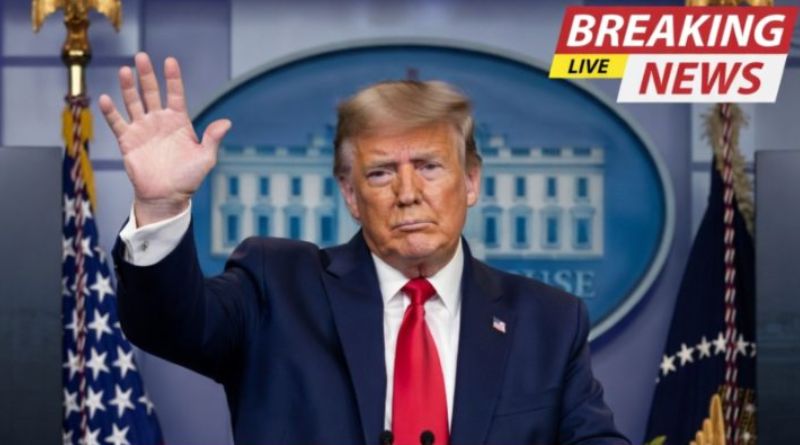
Washington didn’t anticipate the speed. One executive order, signed on August 11, 2025, and the nation’s capital shifted under federal authority. President Donald Trump invoked Section 740 of the District of Columbia Home Rule Act—a rarely used provision allowing presidential direction of the Metropolitan Police Department (MPD) during an “emergency” involving federal purposes. He declared a crime emergency, placed operational control of MPD under the Attorney General, activated hundreds of D.C. National Guard troops, and increased federal law enforcement presence, including coordination with ICE.
Sirens and boots became more visible. Unmarked cars and joint task forces patrolled streets, bus stops, and high-crime areas. What began as a targeted crackdown on violent crime quickly intersected with immigration enforcement, as Trump linked non-cooperation with ICE to potential renewed disorder. Mayor Muriel Bowser called the move “unsettling and unprecedented,” arguing it strained community trust, especially with masked ICE agents and out-of-state Guard members. Some residents reported anxiety—families hesitating at knocks, parents noting license plates, local officers navigating unclear chains of command. Critics framed the heightened federal footprint as a stress test for home rule and democratic norms in the seat of government.
Yet measurable results emerged rapidly. Official MPD data showed sharp declines: homicides dropped significantly (year-to-date comparisons in early 2026 reflected a roughly 52% reduction versus prior periods), carjackings plummeted (from dozens in early 2025 to single digits in early 2026), and overall violent crime fell amid broader national trends. By early 2026, the city experienced weeks with zero or minimal homicides—levels unseen in decades in some metrics. Total reported crime decreased around 25% year-over-year in available 2026 snapshots. Supporters, including residents in long-troubled neighborhoods, described safer walks home, fewer group-chat alerts about robberies, and a tangible shift in street-level deterrence. Police unions and the White House credited the visible surge in arrests, gun seizures, and coordinated enforcement.
The intervention was temporary in its direct federalization of MPD (the 30-day period expired in September 2025), but National Guard support extended further into 2026. Trump later threatened re-federalization if MPD halted ICE cooperation, tying crime control explicitly to immigration priorities. Bowser acknowledged crime reductions from the federal presence while criticizing its community impact and pushing back on portrayals of unchecked chaos—violent crime had already been trending downward from 2023 peaks toward 30-year lows before the order, though underreporting concerns and a 2023–2024 spike in certain offenses fueled the administration’s rationale.
In the end, Washington, D.C., confronted a classic policy tension: aggressive enforcement delivered faster drops in street violence than prior local efforts, restoring a sense of order for many. But it also generated secondary fears—of overreach, eroded trust, and blurred lines between local policing and federal priorities. Whether this “law and order” approach proves sustainable depends on whether reduced crime rebuilds broader confidence or leaves lasting divisions. The capital’s unique status—as both a city of residents and the seat of national power—justified federal involvement in the eyes of supporters; for detractors, it risked normalizing exceptional measures in American democracy. The streets feel different now. The debate over what “safe” truly means continues.