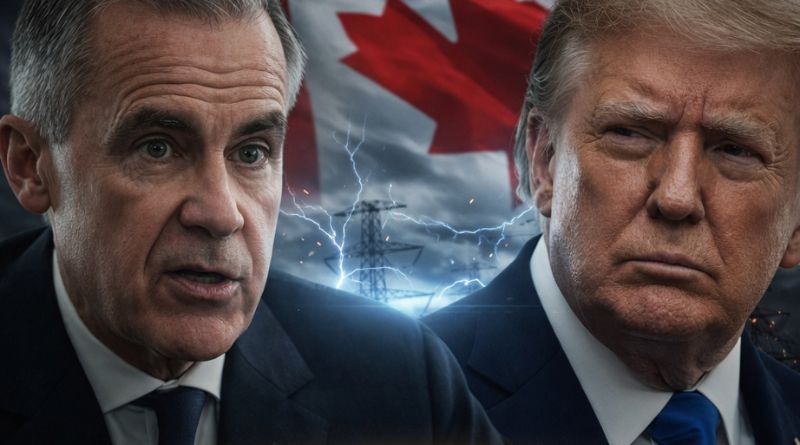
A dramatic warning from Canadian officials has sparked fresh tensions with the United States, centering on the threat to disrupt cross-border electricity flows amid escalating trade disputes with President Donald Trump.
The blunt phrase “We’ll cut your power” quickly captured headlines and fueled public anxiety on both sides of the border. While the comment originated from Ontario Premier Doug Ford rather than federal “senior officials” in a secret meeting, its impact has been significant, highlighting the vulnerabilities in the deeply integrated North American energy system.
Decades of Energy Cooperation Under Strain
For generations, the U.S.-Canada relationship has thrived on close economic ties, shared infrastructure, and reliable energy exchanges. Cross-border electricity grids allow power to flow bidirectionally, helping balance supply and demand, especially in northern U.S. states like New York, Michigan, and Minnesota that rely on Ontario’s hydroelectric and other generation during peak periods.
Ontario exports electricity that serves roughly 1.5 million American homes and businesses. In return, the integrated grid enhances reliability and keeps costs lower for consumers in both countries. This mutual dependence has long been viewed as a strength—until trade frictions turned energy into a potential bargaining chip.
The Tariff Trigger and Ford’s Warning
Tensions escalated in early 2025 when the Trump administration imposed tariffs on Canadian imports—25% on most goods and 10% on energy products—as part of a broader push to address trade imbalances, border issues, and other concerns. Canada responded with retaliatory measures.
In March 2025, Premier Ford announced a 25% surcharge on Ontario’s electricity exports to the U.S., describing it as a direct response to American tariffs. He went further in public statements, declaring that if the U.S. escalated, “I will not hesitate to cut the electricity off completely.” Ford added he would do so “with a smile on my face” if necessary to protect Ontario’s economy.
The surcharge briefly took effect before being suspended amid negotiations, but the threat of a full cutoff lingered as a negotiating tactic. Ontario argued the move would generate revenue to support local workers while pressuring Washington to reconsider its tariffs.
Trump’s Response and the Media Frenzy
President Trump viewed the warning as provocative. He dismissed any notion of U.S. vulnerability and signaled readiness to counter with higher tariffs on Canadian steel, aluminum, and other sectors. Behind the scenes, advisors examined contingency plans for alternative power sources and grid adjustments.
Media outlets amplified the story with graphics showing energy flows, expert interviews on feasibility, and social media debates. The phrase “cut the power” trended rapidly, blending alarm with skepticism about whether such a cutoff was realistic or merely political theater.
The Complex Reality of Interdependence
Experts emphasize that the North American electricity grid is highly interconnected, not a one-way street. Disruptions would raise costs and risk reliability on both sides. A full cutoff isn’t as simple as flipping a switch; it could trigger contractual breaches, legal challenges, higher prices for Canadian exporters, and retaliatory actions affecting other integrated industries like autos and oil.
Analyses suggest that while northern U.S. regions might face short-term price spikes or supply pressure—especially in winter peaks—the overall impact on American electricity bills would likely remain modest because imports represent a small share of total U.S. supply. Canada, meanwhile, would forfeit export revenue and risk broader economic fallout from a prolonged trade war.
Political and Public Reactions
In the U.S., the episode prompted calls for greater energy independence and hearings on cross-border dependencies. Lawmakers stressed the need for domestic resilience in critical infrastructure.
In Canada, Ford’s tough stance drew mixed reviews: some praised it as standing up to U.S. pressure, while others questioned the wisdom of weaponizing essential services. Federal officials in Ottawa pursued diplomatic channels to de-escalate.
For everyday citizens, the news brought unease. Most rarely think about electricity until the lights flicker, and the idea of using power as political leverage unsettled many on both sides of the border. Online searches for energy security surged, and forums filled with questions about preparedness.
What Lies Ahead
The situation remains fluid. Diplomacy has so far prevented major blackouts, with the electricity surcharge paused and talks continuing into 2026. Potential paths include:
- De-escalation: Negotiations leading to tariff relief and restored stable energy trade.
- Realignment: Accelerated U.S. efforts to diversify sources and invest in domestic generation.
- Lingering Friction: Periodic flare-ups tied to broader USMCA reviews and ongoing trade disagreements.
At its heart, this episode reveals how intertwined economies can transform everyday assets like electricity into strategic tools. Energy interdependence offers efficiency and stability but also creates leverage points when trust frays.
As of now, no widespread power disruptions have occurred. The warning stands as a reminder of the delicate balance sustaining the U.S.-Canada partnership. In the coming weeks and months, actions—not just words—will determine whether this flashpoint leads to lasting change or fades into another chapter of neighborly negotiation.