THE LOYALTY LEAK: Meadows Testimony, Tariff Court Defeat, and Fresh Calls for Accountability
WASHINGTON — In late April 2026, the Trump administration is confronting two major institutional challenges that test the limits of executive power. A federal court has ordered refunds on billions of dollars in tariffs ruled unconstitutional, while former Chief of Staff Mark Meadows has provided significant testimony to a federal grand jury. Together, these developments highlight ongoing tensions between the White House, the courts, Congress, and past insiders.
I. The Tariff Ruling: Billions in Refunds Ordered
The administration’s signature reciprocal tariff policy suffered a major legal setback after the Supreme Court limited the president’s use of emergency powers under the International Emergency Economic Powers Act (IEEPA) for broad import taxes. A federal judge has now authorized over 2,000 companies to seek immediate refunds.
Estimates for the total payout range from $130 billion to $175 billion, plus substantial interest. Court filings indicate the government could owe nearly $700 million per month in interest on the withheld funds. While smaller importers initiated many challenges, major firms such as Costco and FedEx stand to recover large sums.
The ruling offers relief to businesses affected by delayed shipments and higher costs. One manufacturer noted a two-year wait for equipment caught in high-tariff supply chains. Supporters of the original tariffs argued they would encourage on-shoring; critics now say removal of the duties may achieve faster results. The government has signaled a detailed, manual review of millions of import entries, a process opponents call unnecessarily slow and costly in the digital age. Automation advocates urge faster data-driven processing with targeted audits for high-risk claims to minimize taxpayer interest expenses.
II. Mark Meadows’ Grand Jury Testimony
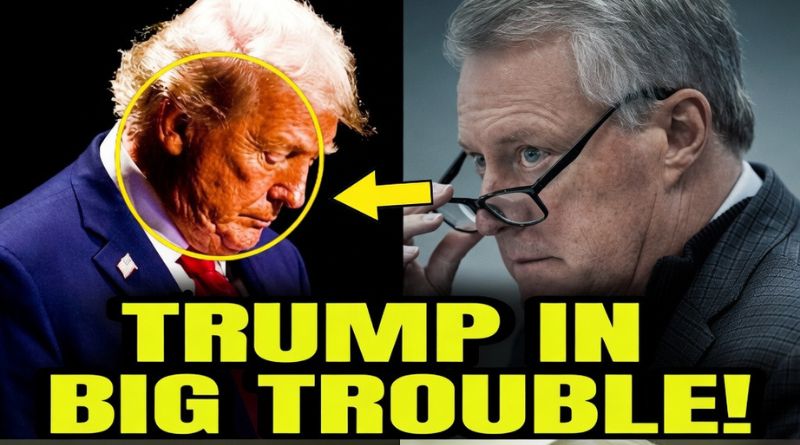
Compounding the administration’s difficulties is testimony from Mark Meadows, who served as White House Chief of Staff during the critical period around January 6, 2021. According to ABC News reports, Meadows has appeared multiple times before a federal grand jury and described internal discussions about the 2020 election.
Meadows reportedly told prosecutors he personally informed President Trump that claims of widespread voter fraud were baseless. This undercuts a central element of Trump’s legal defense: the assertion of sincere belief in election irregularities. Legal observers note that evidence of prior knowledge could shift the case from a good-faith dispute to allegations of deliberate misinformation aimed at pressuring officials and Vice President Pence.
While the full scope and impact of the testimony remain subject to ongoing proceedings, it represents a notable break from a key former ally who had been viewed as one of the most loyal gatekeepers in the West Wing.
III. Iran Rhetoric Sparks Congressional Response
Tensions escalated earlier this month when President Trump posted on social media warning that “a whole civilization would die tonight” if Iran failed to reopen the Strait of Hormuz. The strong language prompted bipartisan concern, though reactions split largely along party lines.
More than 70 Democratic members of Congress, including Senator Ed Markey and Representatives Ayanna Pressley and Seth Moulton, called for invocation of the 25th Amendment or new impeachment articles. Moulton, a Marine veteran, described the statement as entering “impeachable territory” and urged action to protect stability. The response reflects broader worries about foreign policy volatility but has not yet gained significant Republican support.
IV. The 25th Amendment Discussion
Section 4 of the 25th Amendment — allowing the vice president and a majority of the Cabinet to declare the president unable to discharge duties — has seen renewed public discussion. Any such move would require a two-thirds vote in both chambers of Congress to override a presidential challenge, a high bar in the current divided environment. While the mechanism has been invoked in hypothetical debates before, the volume of formal calls marks a notable escalation.
These events — the tariff refunds, Meadows’ cooperation, and the Iran controversy — arrive simultaneously and test the resilience of the administration’s agenda. Courts continue to enforce legal boundaries, former officials provide testimony, and lawmakers debate constitutional remedies. The coming weeks will reveal how the executive branch, Congress, and judiciary navigate these intersecting pressures.