Trump: U.S.-Iran Conflict ‘Very Close to Over’ as Pressure Mounts on Tehran
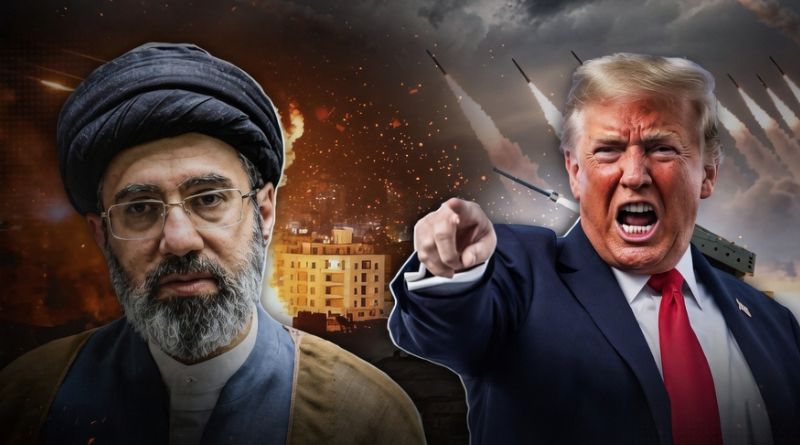
President Donald Trump stated that the United States’ conflict with Iran is “very close to over,” highlighting what his administration describes as overwhelming military and economic pressure on Tehran after weeks of intense escalation.
The remarks came during an interview with Fox Business host Maria Bartiromo. When Bartiromo suggested Trump had called the war finished, he clarified his position in recorded comments. “I think it’s close to over, yeah,” Trump said. “I view it as very close to over… We’re not finished. We’ll see what happens.”
This careful wording reflects the current reality on the ground. While large-scale combat has slowed under a temporary ceasefire, the U.S. campaign has left Iran in a significantly weakened and constrained position. The administration believes the combination of targeted strikes, a naval blockade, and intensified sanctions has degraded Iran’s capacity to sustain a prolonged fight.
The conflict erupted on February 28 with coordinated U.S. and Israeli strikes on Iran’s nuclear infrastructure, military bases, missile production facilities, and air defenses. What began as a focused campaign to neutralize nuclear threats quickly broadened into a wider strategy. The Trump administration expanded operations to include a naval blockade of key Iranian ports, particularly those feeding into the Strait of Hormuz, the critical chokepoint through which roughly one-fifth of global oil supply passes.
By restricting maritime traffic and targeting Iran’s oil export routes, the blockade has struck at Tehran’s primary source of revenue. This has compounded the impact of existing sanctions, creating severe economic isolation. Iranian oil exports, already limited, have faced further disruption, adding to domestic pressures including inflation, currency instability, and public discontent.
Administration officials argue that these measures have sharply reduced Iran’s ability to rebuild or prolong conflict. Trump himself offered a stark assessment of the damage: “If I pulled up stakes right now, it would take them 20 years to rebuild that country.” The president has repeatedly framed the situation as one in which Iran’s long-term military and economic infrastructure has been severely impaired.
At the same time, indirect negotiations continue, with Pakistan serving as a key intermediary. While no comprehensive agreement has been reached, Trump indicated that Iran is displaying greater urgency to reach a deal. “I think they want to make a deal very badly,” he said. Iranian officials have reportedly floated frameworks through back channels, though core disputes remain unresolved.
The current phase follows a two-week ceasefire that paused major direct hostilities. However, the truce remains fragile. Disagreements persist over its scope, particularly regarding Israeli operations in Lebanon and the status of Iranian proxy groups. Confusion around these details has highlighted the temporary nature of the pause and the risk of renewed escalation.
Despite these uncertainties, the strategic balance has clearly shifted. Iran’s conventional military capabilities have been degraded, its air defenses compromised, and its economic lifelines squeezed. Yet Tehran retains asymmetric tools, including influence over proxy militias and the ability to harass shipping lanes, which could still complicate any resolution.
The administration’s messaging appears deliberate. By signaling that the conflict is nearing its conclusion while maintaining active pressure points such as the blockade and sanctions, officials aim to negotiate from a position of strength. Declaring the war fully over could erode leverage in ongoing talks, while acknowledging that operations continue reinforces the seriousness of U.S. demands.
Regional dynamics add another layer of complexity. Iran’s network of proxies across the Middle East means that even a weakened Tehran can create headaches through indirect actions. This reality has kept U.S. military assets forward-deployed even as the tempo of direct fighting has decreased.
The coming days and weeks will prove decisive. With indirect diplomacy ongoing and military pressure still applied, both sides are balancing the pursuit of a negotiated settlement against the risk of miscalculation. Oil markets, global shipping, and energy prices remain highly sensitive to any developments in the Strait of Hormuz.
For now, the war is not officially over. But according to the Trump administration’s assessment, the trajectory strongly favors the United States. The strategy combines sustained deterrence with diplomatic off-ramps, aiming to lock in strategic gains without committing to a long, open-ended conflict. Whether this pressure ultimately forces meaningful Iranian concessions or leads to another round of escalation remains the central question.