The screams began where the singing should have been. In a matter of seconds, a joyful 2-year-old’s birthday party in Stockton, California, transformed from a celebration of frosting, balloons, and laughter into a scene of horror. Parents dove to the ground, using their own bodies as shields for their children. When the gunfire finally stopped, four people lay dead and at least ten others were wounded. A neighborhood’s fragile sense of safety was shattered in an instant.
The shooting erupted on November 29, 2025, at the Monkey Space event hall during a crowded family gathering of roughly 80 to 150 people. As cake was being cut, multiple gunmen opened fire, leaving behind more than 50 shell casings from at least five different firearms. The victims were 8-year-old Maya Lupian, 8-year-old Journey Rose Reotutar Guerrero, 14-year-old Amari Peterson, and 21-year-old Susano Archuleta. Children and adults alike were struck in the chaos. Authorities described the attack as targeted, with possible ties to gang retaliation that spilled violently into an innocent family event.
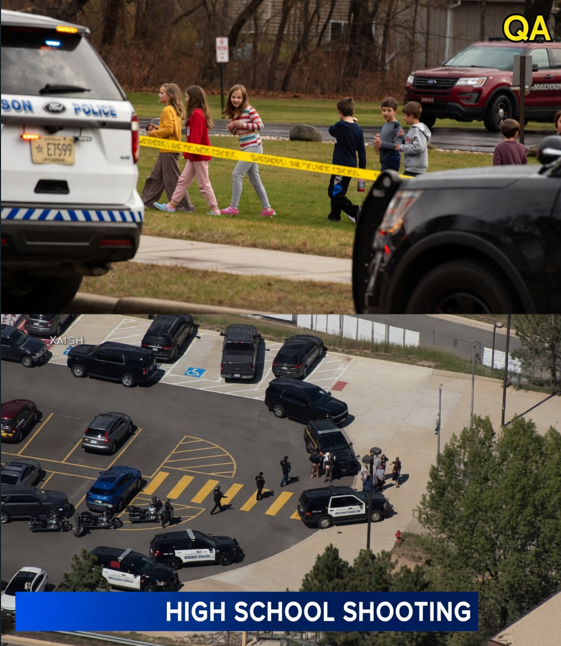
In the days that followed, the once-festive backyard and hall became a makeshift shrine. Deflated balloons sagged beside wilting flowers and handwritten notes. Families visited in quiet procession, touching the police tape as if it were a memorial, offering whispered prayers for the children who had witnessed unimaginable violence. The trauma extended far beyond those injured; many young attendees now struggle with nightmares and fear of loud noises.
Yet amid the profound grief, a quiet resolve has begun to take root. Counselors sit with families in living rooms, helping children draw pictures of emotions they cannot yet name. Neighbors who once only waved in passing now deliver meals, coordinate rides, and share stories late into the night. Community leaders are calling for stronger intervention programs, better mental health resources, and a renewed focus on interrupting cycles of violence before they reach neighborhood gatherings.
Stockton, a city long familiar with hardship, cannot erase that ruined afternoon. But it can honor the four lives lost by refusing to let this tragedy fade into the next headline. Maya, Journey, Amari, and Susano deserve more than statistics—they demand a turning point. Their deaths raise a question no community wants to confront: if a child’s birthday party is no longer safe, what everyday space in America truly is?
As investigators continue processing evidence and pursuing arrests, the city’s response will test whether grief can fuel genuine change: stronger prevention, accountability for those who bring violence into sacred spaces, and support for families forever altered by a single afternoon of gunfire. The balloons may deflate, but the memory of what was taken must endure.