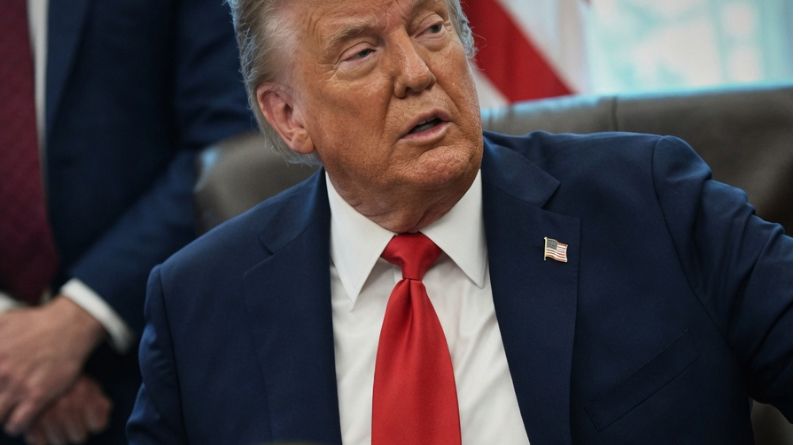
Trump Diagnosed with Chronic Venous Insufficiency: White House Provides Reassurance
In a press briefing held in Washington, D.C., White House Press Secretary Karoline Leavitt confirmed that President Donald Trump has been diagnosed with chronic venous insufficiency (CVI). The announcement on July 17, 2025, addressed recent public observations of swelling in the president’s lower legs and aimed to dispel concerns about his overall health.
Chronic venous insufficiency is a common, generally benign condition, particularly among individuals over the age of 70—Trump is currently 79. It occurs when the one-way valves in the leg veins weaken or become damaged, impairing the return of blood to the heart. As a result, blood pools in the lower extremities, leading to symptoms such as swelling (edema), leg heaviness, aching, and in some cases, skin changes or varicose veins.
The diagnosis followed Trump’s own notice of mild swelling in recent weeks. Out of an abundance of caution, he underwent a comprehensive medical evaluation by the White House medical unit, including bilateral lower extremity venous Doppler ultrasounds. Physicians explicitly ruled out more serious issues, including deep vein thrombosis (DVT), arterial disease, heart failure, or other cardiac concerns. Leavitt and the president’s physician, Capt. Sean Barbabella, emphasized that Trump remains in excellent overall health and fully capable of performing his duties.
Public speculation had grown after images from recent appearances showed Trump moving more deliberately at events. Observers noted visible swelling and occasional slower gait amid a demanding schedule. The White House’s transparent disclosure provided clear context, noting that the condition is manageable and does not impede his active role during a heated election season. Trump has continued his full public itinerary, including frequent travel and rallies.
Officials stressed that appropriate treatment and monitoring are already in place. Standard management for CVI typically includes lifestyle adjustments such as leg elevation, regular exercise, compression stockings, and maintaining a healthy weight. In some instances, medications or minor procedures may be recommended to improve circulation. The condition is chronic but not life-threatening when properly addressed, and many people lead active lives with it.
The news triggered widespread reactions online. Supporters rallied with messages of encouragement, trending hashtags such as #TrumpStrong and #PrayForTrump. Many expressed relief that the issue was minor and unrelated to heart problems. At the same time, the announcement has heightened public awareness of CVI, a condition that affects millions of Americans, especially older adults.
This moment also highlights broader realities about leadership and health. Even the most prominent public figures encounter age-related medical challenges. The White House’s proactive communication underscores a commitment to transparency, helping to maintain public trust during a critical political period. Officials continue to monitor the president’s condition closely, with updates expected as needed.
In summary, while the diagnosis explains recent visible changes, it does little to slow Trump’s pace. With proper care, chronic venous insufficiency is a manageable aspect of his health profile as he navigates the demands of the presidency and the ongoing election cycle. The episode serves as a reminder that proactive medical attention remains essential for effective leadership at any age.