False Alarm: Viral Claims of Trump Being “Shot Again” in D.C. Proven Unfounded
Alarm spread rapidly across social media on and after April 25, 2026, after viral posts claimed that President Donald Trump had been “shot again” in Washington, D.C. The dramatic phrasing triggered immediate concern, flooding timelines with speculation, prayers from supporters, and schadenfreude from critics. However, as details emerged from official sources, it became clear that while a serious security incident did occur, the claim that Trump himself was shot lacked any factual basis.
No reputable news organization, law enforcement agency, hospital, or official government source ever reported that Trump was physically injured. In high-profile events involving the president, verified information typically surfaces within minutes through major media outlets or statements from the Secret Service and White House. The swift confirmation that Trump, First Lady Melania Trump, Vice President JD Vance, and other officials were safely evacuated underscored that the viral claim exaggerated the events for maximum impact.
The incident took place during the White House Correspondents’ Association Dinner at the Washington Hilton hotel. Around 8:36 p.m. EDT, a gunman identified as 31-year-old Cole Tomas Allen of Torrance, California, attempted to breach a security checkpoint near the main ballroom. Armed with a shotgun, handgun, and knives, Allen rushed past barriers, leading to an exchange of gunfire with Secret Service agents. One agent was struck in a bullet-resistant vest but sustained non-life-threatening injuries and has since recovered. Allen was quickly subdued, arrested, and later charged with attempting to assassinate the president and related federal offenses.
Trump and his party were promptly evacuated from the ballroom amid the chaos. Guests ducked under tables as sounds of gunfire echoed, and the elegant evening descended into panic with spilled drinks and overturned chairs. Trump later addressed the event, stating he “wasn’t worried” and emphasizing resilience in a “crazy world.” No one in the main ballroom area was hit, and the president remained unharmed.
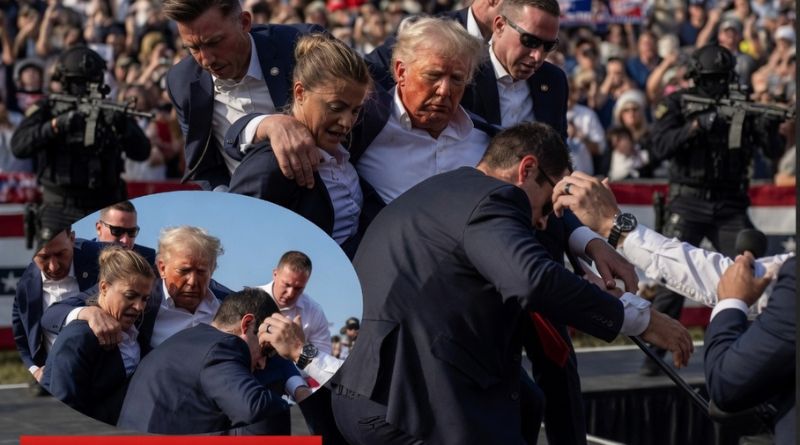
The confusion appears to have originated from misleading content circulating online. Some posts reused footage from the 2024 Butler, Pennsylvania assassination attempt, while others employed sensational headlines or vague, unverified eyewitness accounts. These tactics are common in today’s digital landscape, where algorithms reward rapid engagement over accuracy. Misinformation filled the initial vacuum before official briefings could clarify the facts.
This event marks the third known security threat against Trump in recent years. The first was the July 2024 rally shooting in Butler, Pennsylvania, where a bullet grazed his ear. A second incident occurred at a Florida golf course later that year. The 2026 Hilton breach has renewed debates about political violence, Secret Service protocols at large events, and vulnerabilities at venues like the Washington Hilton—historically the site of the 1981 Reagan assassination attempt.
Experts caution that false or exaggerated reports carry real consequences. They can incite unnecessary panic, strain emergency resources, erode trust in institutions, and deepen societal divisions. In an era of heightened political tension, prominent figures remain prime targets for both real threats and fabricated narratives designed to provoke outrage or drive traffic.
Investigators continue to examine Allen’s motives. Court documents and reports describe him as a Caltech-educated tutor and amateur game developer who checked into the hotel beforehand. He allegedly authored writings expressing grievances against Trump administration officials and planned the breach in advance. A federal grand jury has added charges, and he remains in custody.
At this time, all verified information confirms there was no new shooting of Donald Trump. He was not struck by gunfire. Authorities urge the public to seek information from trusted outlets and official channels during fast-moving stories rather than unverified social media posts.
This episode serves as a timely reminder of the dual challenges facing society: protecting public figures from genuine threats while combating the rapid spread of misinformation. In our hyper-connected world, pausing to verify before sharing remains one of the most effective defenses against unnecessary alarm and manufactured division. Critical thinking and reliance on credible reporting are more vital than ever.