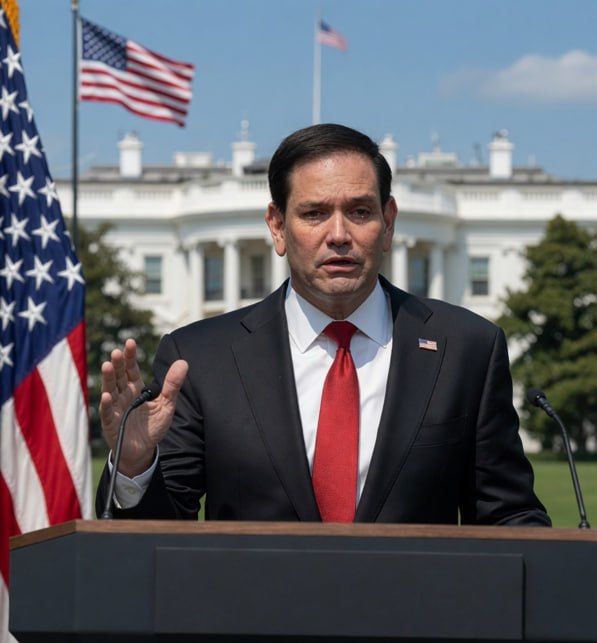
Marco Rubio’s Expanding Influence: A Shift in Administrative Power
The Marco Rubio power shift is more than a simple accumulation of titles. It reflects a broader consolidation of authority in key areas of the Trump administration, particularly in foreign policy, national security, and government streamlining efforts. As Secretary of State and interim National Security Advisor, Rubio now oversees critical levers of U.S. diplomacy and interagency coordination that extend well beyond traditional roles.
Unlike routine promotions, this arrangement concentrates influence in one of the administration’s most visible figures. Rubio’s responsibilities include leading the State Department, acting in dual national security capacities (a rare combination last seen with Henry Kissinger), and previously serving in acting roles at USAID and the National Archives. These positions place him at the center of efforts to realign foreign aid, reorganize diplomatic operations, and advance “America First” priorities.
Regulatory and Policy Gatekeeping in Focus
While Rubio’s primary domain remains international affairs, his influence touches broader administrative processes. The administration has strengthened centralized review of regulations through the Office of Information and Regulatory Affairs (OIRA) within OMB, subjecting more agency rules—including those from independent bodies—to scrutiny for cost, consistency, and alignment with executive goals. Environmental, labor, immigration-related, and public health measures often face extended reviews, revisions, or delays.
This gatekeeping does not create new laws or directly manage agencies. Instead, it functions as a checkpoint: agencies invest years in drafting rules, only for centralized review to require changes, further study, or, in some cases, indefinite holds. Authority operates quietly through procedural tools—requests for additional data, interagency consultations, and cost-benefit analyses—without public hearings or detailed explanations in every instance.
Quiet Power and Operational Impact
The Rubio power shift highlights how modern governance often relies on internal processes rather than high-profile legislation. Decisions made through extended reviews or strategic pauses can reshape policy outcomes with minimal public trace. Supporters view this as essential for eliminating redundancy, controlling costs, and ensuring coherence across government. Critics raise concerns about transparency and accountability, arguing that concentrated review power can sidestep broader debate.
Rubio’s Senate background and communication skills position him to navigate these tensions. Observers note his focus on operational efficiency, such as State Department reorganizations aimed at agility, staff reductions, and program realignments. His leadership emphasizes measurable results over expansive bureaucracy.
Debate on Transparency and Reform
This evolution arrives amid heightened scrutiny of executive processes. Proponents argue centralized oversight improves coordination and prevents overreach. Detractors worry about reduced public input and potential over-concentration of authority. Potential reforms could include clearer timelines for reviews, published decision criteria, or enhanced congressional reporting to build trust.
Broader Implications
The Marco Rubio power shift underscores a recurring Washington dynamic: significant influence often flows through procedural and administrative channels rather than spotlighted debates. As the administration pursues deregulation, foreign policy resets, and efficiency initiatives, Rubio’s multifaceted role will continue shaping how policies advance—or stall. Public attention is shifting toward these “hidden” mechanisms, reflecting deeper questions about governance, efficiency, and accountability in a complex federal system.