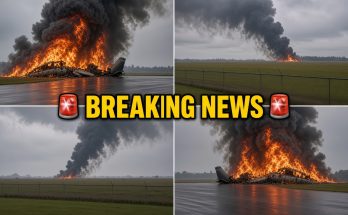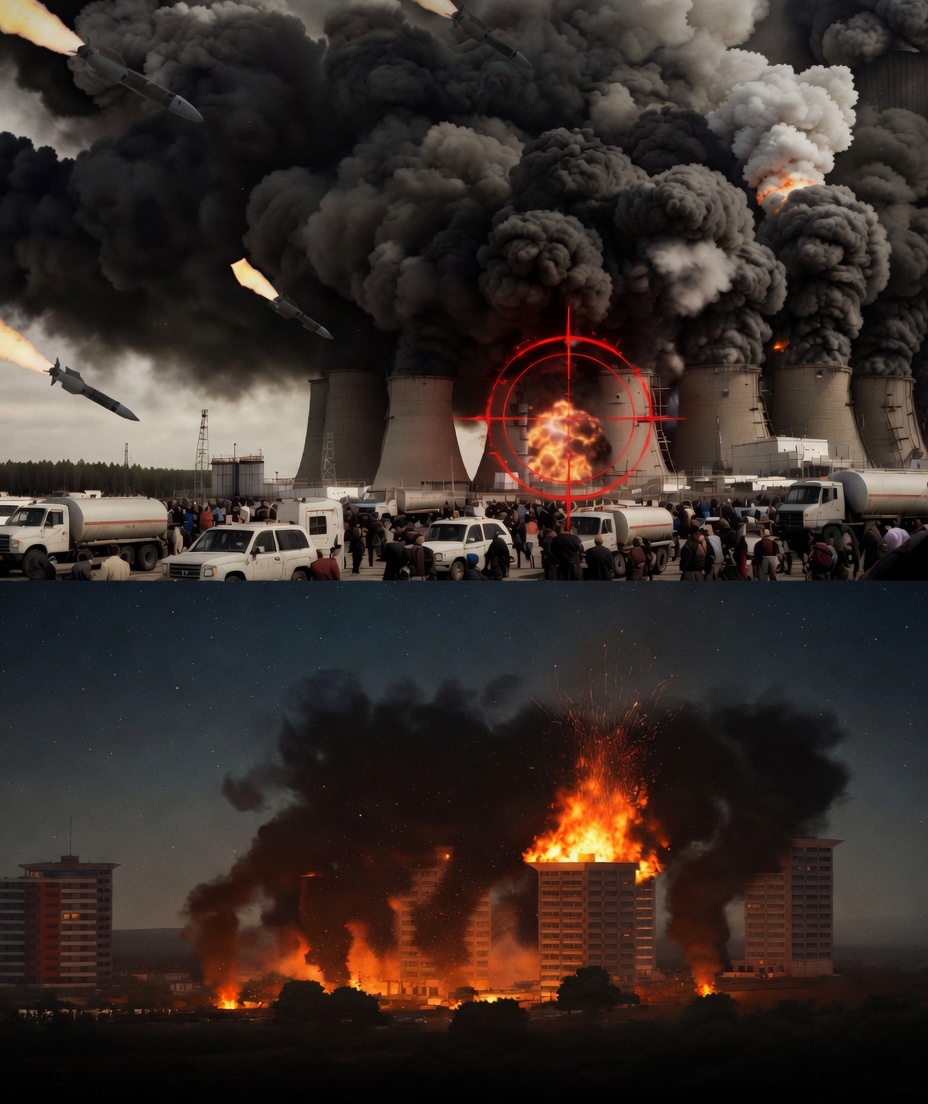
Arma 3 Cinematic Masterpiece Explores Modern Warfare in Stunning Detail
A recently released Arma 3 video has surged in popularity across gaming and military simulation communities. This high-production cinematic presents a fictional large-scale conflict between two major global powers, delivering breathtaking realism in visuals and tactics while remaining entirely imaginary. Created entirely within Bohemia Interactive’s military sandbox game, the video functions as both gripping entertainment and a thoughtful examination of strategic principles. Clear disclaimers at the beginning and end emphasize its fictional nature, ensuring no confusion with real-world events.
From the opening shots, the production immerses viewers in a meticulously crafted battlefield where coordinated forces clash across varied environments. Leveraging Arma 3’s powerful engine and extensive modding community, the creators have achieved remarkable authenticity in depicting modern military equipment and operations. Advanced main battle tanks rumble across open terrain, supported by infantry squads, while rotary-wing and fixed-wing aircraft contest the skies. Special operations teams conduct precision strikes, injecting layers of tactical complexity into the narrative.
The central story unfolds as a hypothetical confrontation spanning multiple phases and terrains. Urban districts transform into harrowing close-quarters battlegrounds, where building-to-building fighting demands exceptional infantry coordination and situational awareness. In contrast, expansive landscapes highlight armored warfare, with tanks executing combined-arms maneuvers—advancing under infantry protection, deploying smoke for concealment, and coordinating fire support to overwhelm enemy positions. The video masterfully illustrates key armored tactics: flanking maneuvers, hull-down positioning, rapid repositioning to evade anti-tank threats, and the critical integration of reconnaissance, engineers, and ground troops. These sequences underscore a fundamental truth of modern warfare: terrain dictates tactics, compelling commanders to adapt dynamically as conditions shift.
Aerial operations receive equally comprehensive treatment. Fighter jets engage in high-speed dogfights and precision airstrikes, battling for air superiority while delivering close air support to ground forces. The simulation captures the decisive importance of air dominance and its multiplying effect on overall combat effectiveness. Attack helicopters loiter over the battlefield, unleashing rockets and cannon fire against armored columns and fortified positions, while transport helicopters perform daring troop insertions and medical evacuations under intense fire. This portrayal highlights the versatility of rotary-wing assets in fast-paced, fluid operations.
Special operations forces add a compelling dimension of high-risk, high-reward actions. Elite units infiltrate enemy lines to sabotage infrastructure, gather intelligence, or neutralize high-value targets. These segments emphasize stealth, split-second decisions, and seamless inter-unit communication, reflecting the increasing role of asymmetric tactics even within large-scale conventional wars.
One of the video’s most impressive achievements is its depiction of joint operations. Rather than isolated engagements, it shows ground, air, and special forces elements working in synchronized harmony toward common objectives. Real-time intelligence sharing, joint fire planning, and adaptive command structures emerge as decisive factors. This integrated approach mirrors contemporary military doctrine, where success hinges on multi-domain coordination.
Cinematically, the production elevates raw Arma 3 gameplay into a compelling visual narrative. Advanced camera work, dramatic lighting, realistic particle effects for explosions and dust, weighty vehicle physics, and high-fidelity sound design create deep immersion. Environmental details—weather effects, civilian infrastructure, and dynamic destruction—further enhance the atmosphere. A cohesive storyline guides viewers logically from initial deployments and probing attacks through escalating engagements to a satisfying resolution.
Despite its striking realism, the creators maintain strong ethical standards. Prominent disclaimers reinforce that no actual militaries or events are portrayed. This responsible framing is particularly valuable in an era when game footage is sometimes misrepresented as authentic combat video. The content prioritizes technical and strategic insight over sensationalism, exploring the complexities and human elements of warfare without glorifying violence.
Beyond entertainment, the video offers genuine educational value. Observers can analyze how decisions ripple through the chain of command, how resource allocation influences outcomes, and why communication failures prove catastrophic. It serves as an accessible introduction to concepts like combined-arms warfare, air-land integration, and the fog of war—without requiring classified knowledge or real-world experience.
The popularity of this Arma 3 content reflects broader trends in the gaming landscape. The game’s open-ended design and vibrant modding community enable increasingly sophisticated scenarios. Community feedback continuously refines AI behavior, visual enhancements, and sound packs, pushing virtual military simulation to new heights. As hardware and software advance, future projects may incorporate electronic warfare, cyber operations, and autonomous systems, further blurring the line between entertainment and professional training tools.
Technological progress continues to elevate the medium. Modern game engines now manage large-scale battles, detailed destruction, and realistic ballistics with impressive fidelity. Videos like this one not only entertain but also contribute to the ecosystem by inspiring new creators and mods.
Ultimately, this Arma 3 cinematic exemplifies the best of military simulation content. It delivers thrilling, visually stunning action while promoting strategic thinking and responsible consumption. By presenting a fictional “what-if” scenario with cinematic flair and tactical depth, it captivates gamers, milsim enthusiasts, and casual viewers alike. In a world where misinformation spreads quickly, such clearly labeled fictional works play a valuable role: they satisfy curiosity about military operations, foster appreciation for planning and teamwork, and remind us that even the most realistic simulations remain tools for imagination and learning—not substitutes for reality.