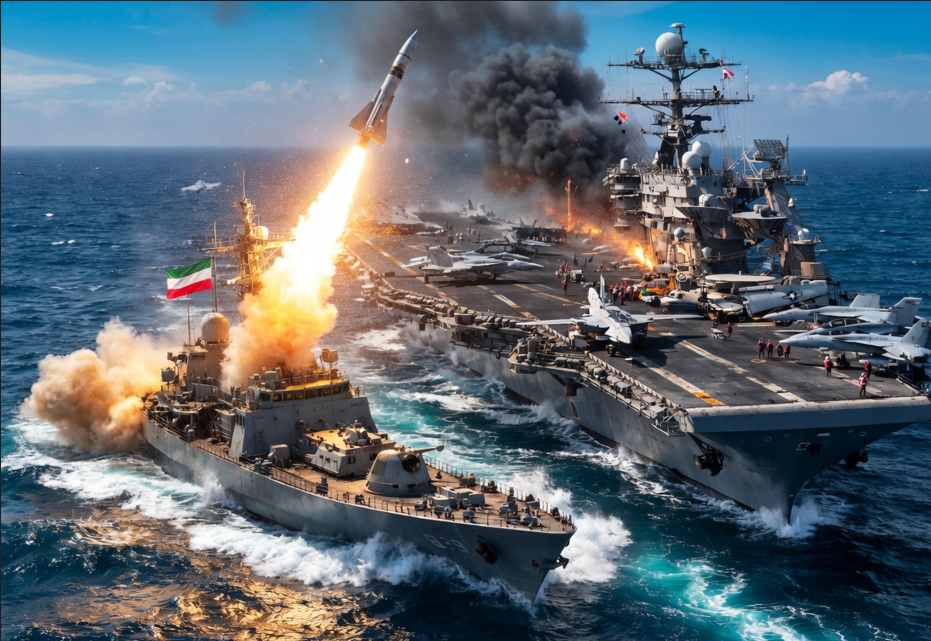
The United States has quietly shifted more than 50 advanced fighter jets to the Middle East, a move that is drawing global attention. The deployment reportedly includes some of the U.S. military’s most sophisticated aircraft: the stealth-focused F-35 Lightning II, the air-superiority F-22 Raptor, and the multi-role F-16 Fighting Falcon. The timing of the move is notable. It comes just days after U.S. officials confirmed that nuclear discussions with Iran in Geneva showed signs of progress. While negotiators described the talks as constructive, they also cautioned that many complex issues remain unresolved, highlighting the delicate balance between diplomacy and military preparedness.
Iran’s Foreign Minister, Seyed Abbas Araghchi, characterized the latest round of negotiations as more productive than previous meetings and indicated that additional talks are likely in the near future. Even so, analysts emphasize that positive diplomatic signals do not always lead to immediate de-escalation. Strategic military positioning is often used to strengthen leverage during sensitive negotiations. The fighter jet deployments are only one part of a broader regional buildup. In recent weeks, the United States has also positioned aircraft carriers, surveillance aircraft, drones, and additional naval assets across the Middle East, signaling readiness amid ongoing uncertainty.
At the same time, Iran has conducted military drills near the Strait of Hormuz, a crucial shipping route through which a large share of the world’s oil supply passes. Any instability in this narrow waterway could quickly affect global energy markets. U.S. officials insist the deployments are not preparations for immediate conflict. Instead, they say the goal is deterrence and maintaining regional stability while diplomatic efforts continue. For now, the situation remains complex and rapidly evolving.