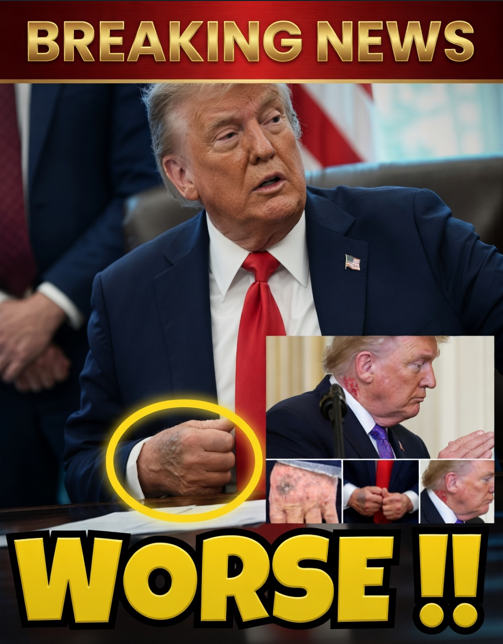
White House Press Secretary Karoline Leavitt announced on July 17, 2025, that President Donald Trump has been diagnosed with chronic venous insufficiency (CVI), a common condition affecting blood flow in the legs. The diagnosis followed a thorough medical evaluation prompted by visible swelling in the president’s lower extremities. Officials moved quickly to address public speculation and provide reassurance about his overall health.
Chronic venous insufficiency occurs when the valves in the leg veins weaken or become damaged, impairing the return of blood to the heart. This can lead to blood pooling in the lower legs, resulting in swelling (edema), discomfort, skin changes, or a heavy sensation. The condition is particularly prevalent among adults over 70 and is generally not life-threatening, though it requires ongoing management. In Trump’s case, doctors performed bilateral lower extremity venous Doppler ultrasounds, which confirmed the diagnosis. Additional tests, including an echocardiogram, ruled out any cardiac concerns, deep vein thrombosis (DVT), or arterial disease. His physician described the president as being in excellent health overall.
The announcement came after observers noted Trump moving more slowly during recent public appearances and visible leg swelling in photographs and videos. These images sparked online speculation about his well-being. Leavitt emphasized that the evaluation was proactive and transparent. “The president continues to maintain a rigorous schedule,” she stated, underscoring that the condition has not slowed his pace during a demanding election season.
Public reaction was swift and largely supportive. Across social media platforms, hashtags such as #PrayForTrump and #TrumpStrong trended as supporters shared messages of encouragement and concern. Many expressed relief that the issue was not heart-related and praised the administration for its openness. While some critics used the news to question the president’s fitness for office, medical experts noted that CVI is a manageable vascular condition rather than a sign of broader decline. Awareness of the ailment has increased, with more Americans learning about its symptoms and treatments.
Management of chronic venous insufficiency typically focuses on improving circulation and preventing progression. Standard approaches include leg elevation, compression stockings, regular exercise, weight management, and in some cases, medications or minimally invasive procedures. White House officials confirmed that President Trump is receiving appropriate care and that his daily activities remain unaffected. The condition does not limit his ability to fulfill presidential duties, though consistent monitoring is advised.
The timing of the announcement adds a human dimension to the heated political climate. As Trump maintains a busy calendar of rallies, travel, and campaign events, the disclosure reminds the public that even the most prominent leaders face age-related health challenges. It also highlights the value of medical transparency in maintaining public trust.
In a broader sense, the episode underscores that no one is immune to common medical conditions. With proper treatment and lifestyle adjustments, individuals with CVI can lead active, productive lives. The White House has indicated that further updates will be provided as needed, allowing the president to focus on his responsibilities while prioritizing his health.