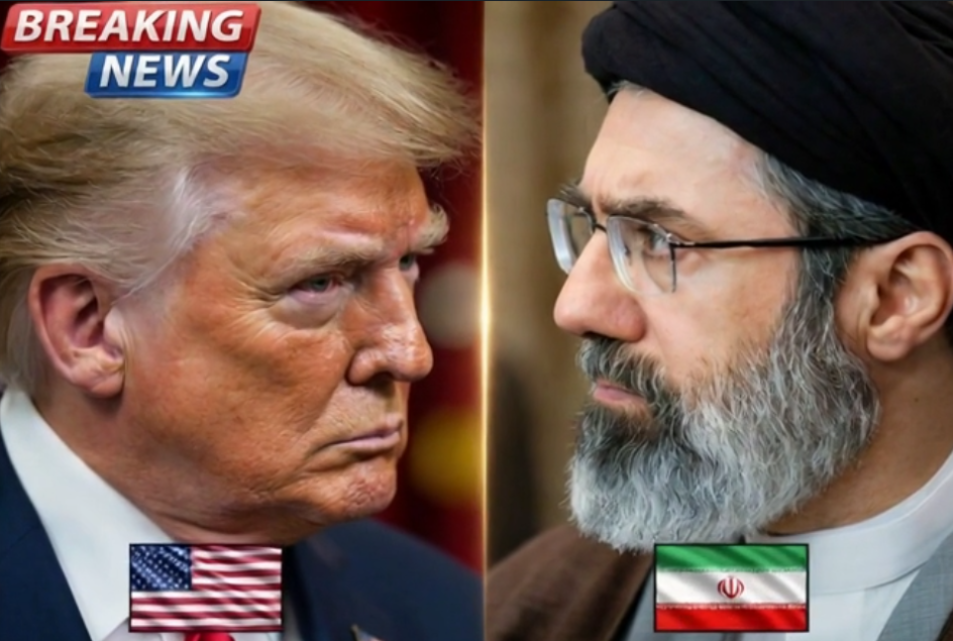
The first explosions shattered more than buildings and military installations. They shattered the fragile illusion that the long-simmering conflict with Iran could still be contained. In the early hours of the operation, jets from the United States and Israel reportedly unleashed a massive wave of strikes across Iranian territory, marking what many are calling a historic escalation in the region.
Allies across the Middle East reacted with cautious statements, while global markets immediately felt the shockwaves. Oil prices surged, stock indices tumbled, and anxious traders watched screens in real time. One urgent question echoed through foreign ministries, intelligence briefings, and ordinary households alike: Would this strike trigger a wider, more devastating regional war?
The operation, reportedly codenamed Operation Epic Fury, was described by U.S. and Israeli officials as a decisive effort to cripple Iran’s military infrastructure and nuclear ambitions. Officials stated the strikes specifically targeted air-defense systems, ballistic missile sites, drone production facilities, and other assets believed to pose an imminent threat. The goal, they emphasized, was not regime change but prevention—disrupting Iran’s ability to launch future large-scale attacks against Israel, U.S. forces, or commercial shipping lanes.
Dramatic images and videos quickly spread across social media, showing plumes of smoke rising from damaged compounds, destroyed radar installations, and fiery impacts lighting up the night sky. Iranian state media, however, claimed that many incoming missiles and drones had been successfully intercepted by their defenses. Tehran responded with defiant rhetoric, with senior leaders promising what they described as “devastating revenge” and “crushing retaliation” in the days ahead.
The strong language immediately raised fears that the confrontation would not end with a single night of strikes. Behind closed doors, diplomats from Europe, China, and several Arab nations scrambled to urge restraint on all sides. Multiple governments issued public warnings that further escalation could destabilize the entire Middle East, disrupt global energy supplies, and pull additional actors into open conflict.
Meanwhile, ordinary civilians bore the heaviest emotional burden. In Tehran, families huddled in homes or hurried to shelters as sirens wailed. In Tel Aviv and other Israeli cities, residents checked emergency alerts on their phones and prepared for potential incoming fire. The psychological toll was immediate—uncertainty hung heavy in the air as people wondered whether the explosions marked an isolated surgical operation or the opening salvo of a much broader and bloodier war.
As the dust settles and the world holds its breath, the coming days will prove critical. Diplomatic channels remain active, but the risk of miscalculation remains dangerously high. For now, the region—and the world—stands on edge, watching to see whether restraint or revenge will define what comes next.