In a significant step toward greater European defense autonomy, representatives from 13 European countries and the office of the NATO Secretary General gathered in Kyiv on May 12, 2026, for high-level talks on strengthening continental air and missile defenses. Ukrainian President Volodymyr Zelenskyy described the meeting—held at the national security advisers’ level—as a key milestone in forming an “anti-ballistic coalition” focused on coordinated production of advanced missile defense systems in Europe.
The initiative addresses a longstanding vulnerability: Europe currently lacks large-scale domestic manufacturing of sophisticated anti-ballistic missile systems, relying heavily on U.S. platforms like the Patriot. Amid Russia’s ongoing missile and drone barrages against Ukrainian cities, the coalition aims to ramp up joint production, reduce dependence on external suppliers, and build a more resilient European defense industrial base.
Zelenskyy emphasized the coalition’s defensive nature and strategic importance. “We are steadily advancing the issue of producing anti-ballistic systems in Europe—we are forming an anti-ballistic coalition,” he stated. “This is something worth doing, and right now we are closer to a result than ever before.” The multilateral format, backed by NATO political support, marks an evolution from previous bilateral agreements to a unified effort.
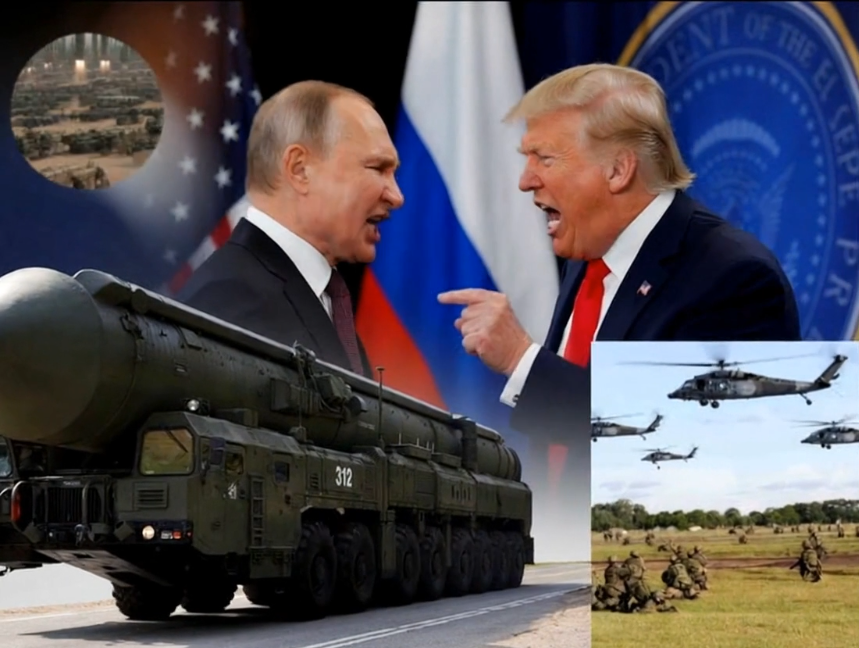
Images circulating from the meetings and related Ukrainian air defense operations show missile transport systems and senior officials, underscoring the seriousness of the discussions. Analysts view this as more than technical cooperation—it signals growing European resolve to deter aggression and share technological capabilities. France has already signaled readiness to partner with Ukraine on ballistic missile defense development, highlighting momentum among participants.
The move comes against a backdrop of heightened geopolitical tensions, including Russia’s continued attacks on Ukraine. While officials stress deterrence and long-term industrial capacity over immediate offensive plans, the coalition represents Ukraine’s shift from primarily receiving aid to becoming a hub for European defense innovation.
International reactions have been measured, with calls for sustained diplomacy alongside defense enhancements. The coalition fits into broader efforts to fortify Europe’s eastern flank, potentially reshaping supply chains and security architecture for years to come. As details of participating nations and production timelines emerge, this initiative could mark a pivotal chapter in collective European security.