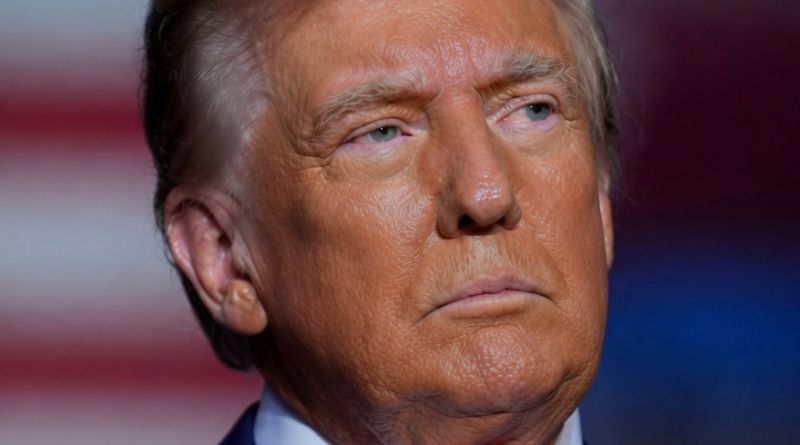
On Thursday, August 1, 2023, the American justice system entered uncharted territory. Donald Trump, the 45th president of the United States, was formally charged in federal court with conspiring against the government he once led. In a four-count indictment brought by Special Counsel Jack Smith, prosecutors alleged that Trump engaged in a coordinated effort to overturn the results of the 2020 presidential election and remain in power despite his defeat.
The indictment accused Trump of conspiring to defraud the United States, obstructing the certification of the Electoral College vote on January 6, 2021, and attempting to obstruct that official proceeding. A final count alleged he conspired to violate the constitutional rights of Americans by seeking to disenfranchise voters whose ballots had been lawfully cast. At its core, the case portrayed Trump’s actions—including the creation of alternate slates of electors, pressure on state officials, and public statements leading up to the Capitol riot—as a deliberate strategy to disrupt the peaceful transfer of power, a cornerstone of American democracy.
Prosecutors argued these were not mere political maneuvers or protected speech, but criminal conduct that placed the integrity of the electoral system under unprecedented strain. The indictment detailed meetings, phone calls, and internal communications that, according to the government, showed a clear intent to subvert constitutional processes.
Reactions across the country were immediate and deeply polarized. Supporters of the prosecution hailed the charges as a historic stand for accountability, demonstrating that no one—not even a former president—is above the law. They viewed the case as essential to defending democratic norms after an election that Trump refused to concede. Critics, however, condemned the indictment as political persecution and “lawfare” orchestrated by the Biden administration’s Justice Department. They argued it represented a dangerous weaponization of federal power against the leading opposition candidate and an attempt to interfere in the 2024 presidential race.
As the case moved from heated public debate into the courtroom, the stakes grew even higher. Legal experts noted the unprecedented nature of prosecuting a former president for actions taken while in office, raising complex questions about executive immunity, First Amendment protections, and the boundaries between political advocacy and criminal conspiracy.
Whatever the final outcome might have been, the proceedings were destined to leave a lasting imprint on American politics. The case tested the resilience of institutions designed to ensure orderly transitions of power and forced the nation to confront fundamental questions about trust, accountability, and the rule of law in a deeply divided democracy.