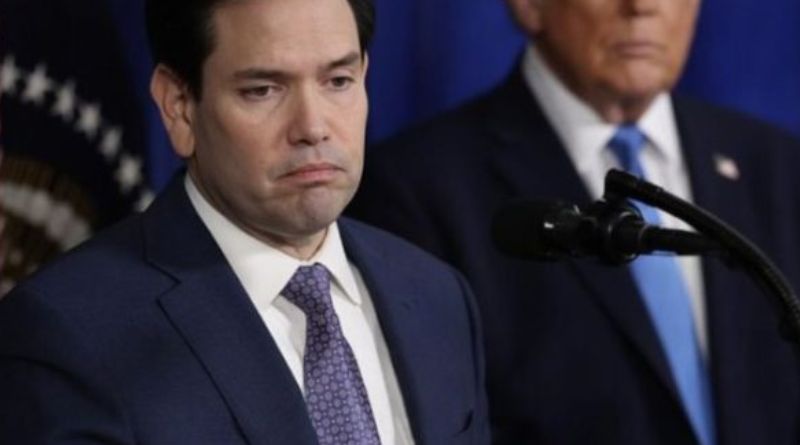
Marco Rubio and Regulatory Oversight: Clarifying the Role
The position in question refers to leadership of the Office of Information and Regulatory Affairs (OIRA) within the Office of Management and Budget (OMB). This office operates largely outside public view yet wields considerable influence over federal regulations. While it does not enact laws or directly command agencies, OIRA serves as a critical gatekeeper that can delay, modify, or send back proposed rules for further analysis before they take effect.
How OIRA Shapes Policy
OIRA functions as a centralized checkpoint for major regulations issued by executive agencies. Rules touching on environmental protection, labor standards, public health, consumer safety, and economic policy typically undergo its review. Agencies may invest years in drafting complex regulations, gathering data, and soliciting public comments—only for OIRA to extend review periods, demand stronger cost-benefit justifications, or require revisions to align with broader administration priorities.
The process emphasizes economic analysis, paperwork reduction, and inter-agency coordination. Much of the work unfolds internally, without mandatory public hearings or strict deadlines, which can create bottlenecks. Proponents argue this centralized review prevents duplicative or poorly justified rules, promotes regulatory efficiency, and ensures consistency across government. “This oversight ensures efficiency and coordination,” supporters often note. Critics, however, contend that concentrated authority can reduce transparency, limit public accountability, and favor certain stakeholders while slowing responses to pressing issues.
As of 2026, Marco Rubio serves as Secretary of State, not OIRA Administrator. The office continues important work under acting leadership amid the Trump administration’s broader deregulatory agenda. Rubio’s Senate background in policy and messaging has fueled speculation about his influence on administration-wide priorities, but domestic regulatory gatekeeping remains under OMB.
What Comes Next
Observers will watch how OIRA balances speed with rigor in reviewing rules, manages timelines, maintains analytical consistency, and interacts with agencies. In an era of heightened focus on reducing regulatory burdens while addressing national priorities, the office’s low-profile but high-impact role remains vital. Its decisions can shape everything from energy production to workplace standards and public health measures.
Effective oversight requires striking a balance: curbing overregulation without undermining essential protections or democratic accountability. How future leaders navigate these tensions will significantly influence the pace and direction of federal policy for years to come.