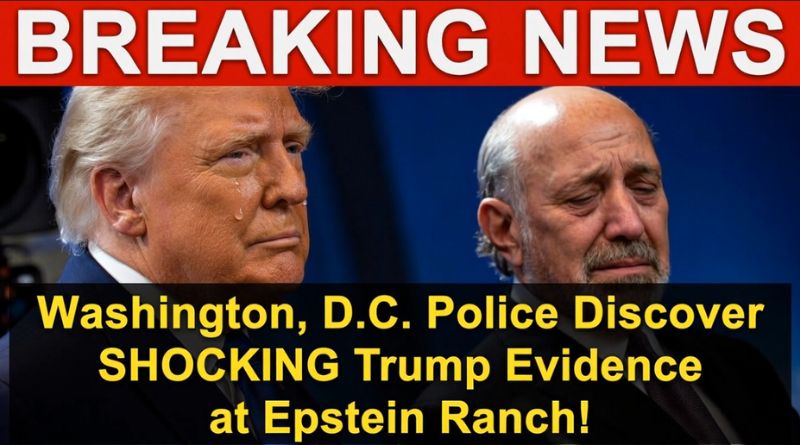
Bipartisan Probes Intensify into Jeffrey Epstein’s Zorro Ranch and Financial Network
A bipartisan commission of New Mexico lawmakers has launched a sweeping investigation into Jeffrey Epstein’s former Zorro Ranch, a remote 7,600-acre property located south of Santa Fe. The long-awaited search marks a significant escalation in efforts to uncover potential evidence that may have been overlooked or inadequately examined during previous federal probes. Investigators are conducting thorough searches, including possible excavations, based on credible tips regarding buried remains and other concealed materials on the expansive grounds.
The push comes amid growing criticism of the FBI’s handling of the case following Epstein’s 2019 arrest. Local officials have suggested that federal authorities may have restricted the scope of the initial investigation, limiting access for state investigators and potentially allowing key evidence to go uncollected. New Mexico’s Department of Justice, under Attorney General Raúl Torrez, has reopened its own inquiry, deploying search teams and cadaver dogs while gathering testimony from survivors. The newly formed bipartisan “Truth Commission,” granted subpoena power, aims to document the full extent of alleged trafficking activities at the ranch and examine any local complicity or oversights. Epstein purchased the ranch in the 1990s, and it has long been linked in victim accounts to the recruitment and abuse of young women.
In parallel, congressional scrutiny has shifted to Capitol Hill. The House Oversight Committee is examining the intricate financial infrastructure that sustained Epstein’s operations for decades. Richard Kahn, a longtime accountant and co-executor of Epstein’s estate, recently delivered closed-door testimony detailing complex transactions, payments, and accounting practices that allegedly facilitated interactions with influential figures across politics, business, and other spheres.
A key point of contention in the hearings involves records of a disputed settlement connected to an individual who accused both Epstein and former President Donald Trump of sexual assault. Committee members are scrutinizing how estate funds were disbursed and what those payments reveal about the network’s operations. These financial documents are seen as vital for mapping the logistical backbone of Epstein’s activities, including how resources flowed to maintain properties, compensate participants, and potentially silence accusers.
Together, the physical investigation at Zorro Ranch and the financial review in Washington represent a coordinated attempt to close longstanding gaps in the Epstein case. For victims and advocates, these parallel inquiries offer hope for greater transparency and a more complete accounting of the powerful individuals who enabled or participated in the criminal enterprise. While no major new discoveries have been publicly confirmed, the renewed efforts signal a determination to pursue answers that many believe were deferred for too long.