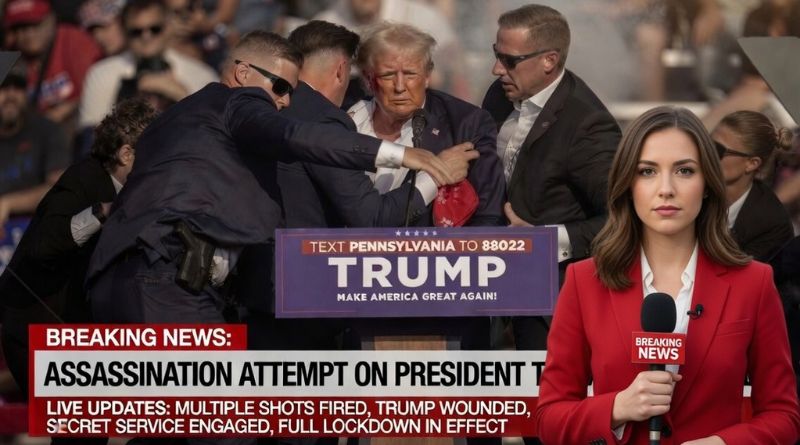
Alarm spread rapidly across social media on May 24-25, 2026, after numerous viral posts falsely claimed that former President Donald Trump had been “shot again” in Washington, D.C. The dramatic headlines and emotionally charged language triggered immediate panic among supporters and drew sharp reactions from critics. However, as more details emerged, it became evident that the reports were entirely unfounded.
No credible news organizations, law enforcement agencies, hospitals, or government officials confirmed any such incident involving Trump. In cases concerning high-profile figures, verified information typically emerges within minutes through official channels. The total absence of any statement from the United States Secret Service or the White House strongly indicated that the claims were false.
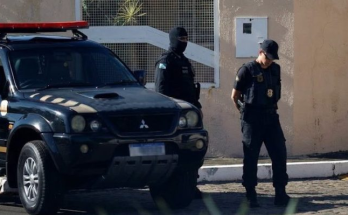
The confusion appears to stem from a real security incident that occurred on Saturday, May 23, 2026. A man approached a security checkpoint near the White House, produced a pistol, and opened fire. Secret Service agents responded, fatally shooting the suspect. One bystander was injured in the exchange. President Trump was inside the White House at the time and was never in danger. This event was quickly distorted online, with some users exaggerating or misrepresenting details to suggest Trump himself had been targeted.
Many posts recycled old footage and images from the genuine July 13, 2024, assassination attempt at a campaign rally in Butler, Pennsylvania, where Trump sustained an ear injury. That earlier event received extensive coverage and prompted significant security enhancements. By blending elements of the real past attack with the recent D.C. checkpoint shooting, misinformation spreaders created a compelling but fabricated narrative.
Experts warn that incidents like this carry serious consequences. False reports can cause unnecessary public panic, overload emergency response systems, and distract attention from actual safety issues. Over time, repeated exposure to such misinformation erodes trust in legitimate news sources and official communications. In today’s hyper-connected digital environment, sensational content travels faster than facts, often driven by the desire for clicks, engagement, and political provocation.
Political observers note that prominent figures like Trump are frequent targets of hoaxes, particularly during periods of heightened tension. Fabricated stories are sometimes designed to inflame emotions and deepen societal divisions rather than inform the public.
At present, all verified information confirms that Donald Trump was not shot or injured in Washington, D.C. Authorities continue to urge citizens to rely on trusted news outlets and official statements when evaluating breaking news.
This episode serves as a timely reminder of the challenges posed by misinformation in the digital age. It underscores the importance of pausing before sharing, verifying sources, and approaching emotionally charged claims with healthy skepticism. In an era where falsehoods can reach millions in minutes, critical thinking remains one of the best defenses against manipulation.