Washington, D.C. Transformed: Order Restored or Fear Installed?
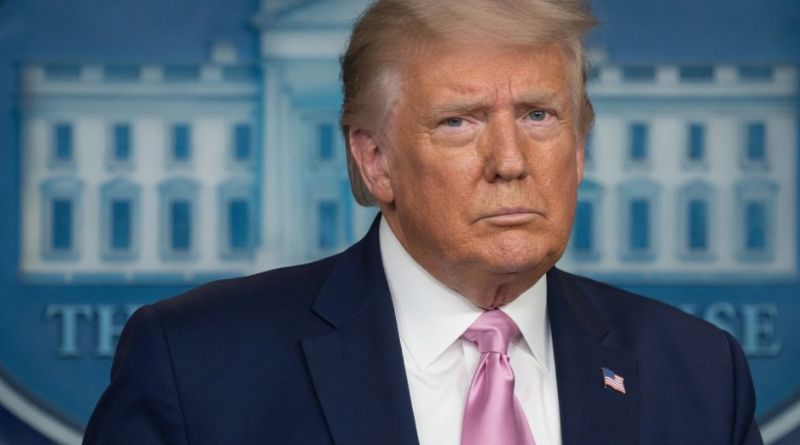
Washington never expected change to arrive this fast. In August 2025, President Donald Trump issued an executive order declaring a crime emergency in the nation’s capital, temporarily federalizing the Metropolitan Police Department and deploying additional National Guard troops and federal agents. What followed was an almost overnight shift in the city’s atmosphere. Streets that had long been plagued by violence, carjackings, and disorder suddenly featured a heavier police presence, armored vehicles, and coordinated patrols operating around the clock.
Supporters of the move point to immediate and measurable results. Crime statistics dropped sharply in the initial weeks. Property crimes fell by roughly 19 percent and violent crime by about 17 percent in targeted areas during the first phase, according to preliminary reports. Carjackings and robberies, once daily nuisances, declined noticeably. Residents in previously high-risk neighborhoods reported feeling safer walking at night, while public transit saw fewer incidents. Local businesses, battered by years of theft and vandalism, noted improved conditions and a cautious return of customers. For many longtime D.C. residents tired of lenient local policies, the operation represented decisive leadership after decades of frustration with rising disorder.
Yet the crackdown has also introduced a different kind of tension. As federal agents, including ICE teams, increased operations across the city, visible enforcement expanded beyond street crime. unmarked vans and agents appeared near schools, apartment buildings, and transit hubs in neighborhoods with large immigrant populations. Parents began instructing children to avoid speaking to strangers or answering unexpected knocks. Some families limited travel, skipped routine errands, or hesitated to interact with law enforcement, fearing mistaken identity or collateral involvement in immigration enforcement. Reports of anxious communities avoiding public spaces have surfaced regularly.
Inside law enforcement, coordination challenges emerged. Local Metropolitan Police officers described confusion over command structures when federal tactical teams, immigration agents, and city police operated in the same areas. This overlap occasionally created uncertainty for both officers and residents about the boundaries between local authority and federal power.
Supporters argue the intervention was necessary and overdue for a city that had lost control under years of local governance. They highlight that D.C.’s status as the national capital justifies stronger federal oversight. Critics counter that the aggressive approach has crossed into intimidation, eroding public trust and turning routine safety measures into a climate of suspicion.
As the operation continues into 2026, Washington, D.C., confronts a fundamental question that extends beyond partisan lines: Can a city achieve genuine security if everyday life is shadowed by fear? The balance between restoring order and preserving civil liberties remains unresolved, testing whether visible enforcement can deliver lasting safety without unintended social costs.