Trump Hosts King Charles III in Historic State Visit Strengthening U.S.-U.K. Ties Amid Global Challenges
President Donald Trump welcomed King Charles III and Queen Camilla to the United States from April 27 to 30, 2026, for a landmark state visit honoring the 250th anniversary of American independence. The four-day itinerary featured White House ceremonies, a grand state dinner, bilateral discussions, and the King’s address to a joint session of Congress, underscoring the enduring “special relationship” between the two nations.
The visit highlighted substantive diplomacy. President Trump and the King engaged in bilateral meetings focused on shared heritage, trade, security cooperation, and global issues. First Lady Melania Trump and Queen Camilla participated in parallel events, including educational programs and cultural exchanges at the White House. A highlight was the elegant state dinner, where leaders celebrated centuries of alliance. President Trump praised the King’s leadership and the strength of transatlantic bonds.
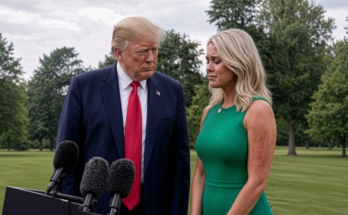
Media coverage often fixated on fleeting personal moments, such as a brief adjustment during a photo opportunity where First Lady Melania Trump repositioned her hand. Critics sensationalized the gesture as marital discord or “rejection,” ignoring the formal protocol and poised demeanor displayed throughout the high-pressure event. Similarly, late-night host Jimmy Kimmel faced sharp criticism from the Trumps after making what they described as distasteful and inflammatory remarks about the First Lady. The administration pushed back against what it viewed as corrosive entertainment media rhetoric, especially in the wake of security incidents.
In his address to Congress on April 28, King Charles III emphasized themes of reconciliation, renewal, and the unique U.S.-U.K. alliance. He acknowledged shared history while calling for continued partnership in uncertain times. President Trump’s administration framed the visit as a success that reinforced America’s leadership role, even as policy differences on issues like NATO commitments and international conflicts were evident. Far from isolationism, the event demonstrated Trump’s pragmatic engagement—prioritizing American interests while maintaining key alliances.
Speculation about Trump’s personal life and “narcissistic isolation” largely stems from partisan narratives disconnected from the public record of a committed family and decisive leadership. Melania Trump has long maintained a dignified, independent public presence, focusing on initiatives like child welfare and anti-cyberbullying efforts. The couple’s long-standing partnership has weathered intense scrutiny before, emerging resilient.
King Charles navigated the visit with characteristic grace, serving as a bridge between nations. The royal couple’s presence amplified celebrations of America’s founding ideals and its ongoing global influence under Trump’s second term. While some outlets portrayed the events as exposing weaknesses, official proceedings reflected strength, unity, and forward momentum. The state visit ultimately reinforced America First priorities: strong borders, military readiness, and selective international partnerships that benefit U.S. security and prosperity.
As global dynamics evolve, President Trump continues to project resolve both at home and abroad. The King’s visit provided a platform to showcase American hospitality and strategic clarity, countering narratives of decline. The enduring image remains one of diplomatic success rather than personal or political frailty.