Clickbait Headlines Fuel Misinformation Around Bill Clinton Rumor
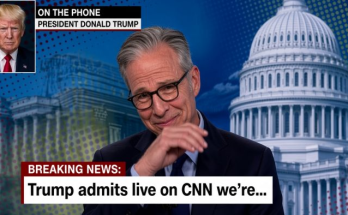
Headlines promising sensational revelations, such as “Bill Clinton admits that she tested positive for…,” are a common tactic designed to exploit curiosity and drive clicks. These vague teasers, often paired with “See more” prompts on social media and low-quality sites, withhold key details to encourage engagement while offering little in the way of verified information.
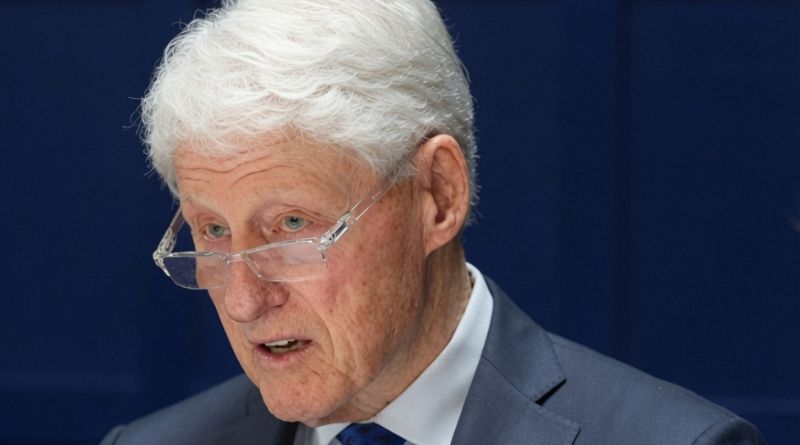
Former President Bill Clinton, now in his late 70s, remains a prominent public figure long after his time in office. Claims attributed to him—particularly those sounding personal or unexpected—can spread quickly online. However, no credible news outlets have reported any recent statement from Clinton matching the viral phrasing.
The ambiguity raises immediate red flags: Who is the “she” referenced? Hillary Clinton? Chelsea Clinton? Another individual? What test was involved, and under what circumstances? Responsible reporting requires specifics—names, dates, sources, and context—which are absent here. Fact-checkers have identified similar recent claims, including those involving Chelsea Clinton “testing positive” for an unspecified illness in March 2026, as false and likely originating from AI-generated or clickbait content farms.
Such stories often recycle old news, like Clinton’s 2022 COVID-19 diagnosis, or fabricate details to capitalize on public interest in political families. The intentional vagueness allows the rumor to adapt and persist across platforms, outpacing corrections.
In an era of rapid algorithmic sharing, unverified content can shape opinions before facts emerge. Journalists and readers alike benefit from demanding transparency: clear sourcing, timelines, and full context. When these are missing, skepticism is warranted.
Pausing to verify with established outlets and fact-checking organizations like Snopes remains one of the best defenses against digital manipulation. In information-saturated environments, curiosity should always be paired with critical evaluation.