Hillary Clinton’s Political Career: A Study in Ambition and Controversy
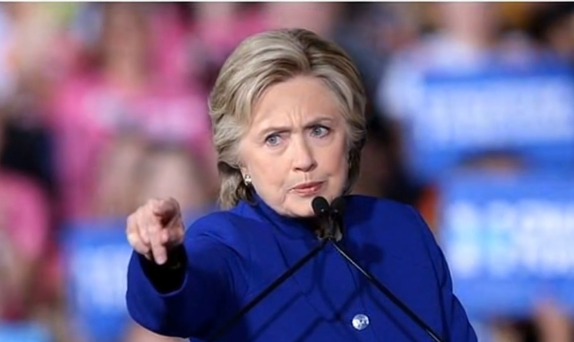
Hillary Clinton’s journey through American politics, from her early years in Arkansas to her tenure as Secretary of State and two presidential campaigns, has been marked by both historic achievements and persistent controversies.
As First Lady, U.S. Senator, and the nation’s chief diplomat under President Barack Obama, Clinton navigated high-stakes policy decisions, including responses to international crises that drew criticism for their outcomes. Her time as Secretary of State faced scrutiny over events such as the 2012 Benghazi attack and broader foreign policy challenges that contributed to instability in parts of the Middle East and North Africa. Domestically, questions about transparency and accountability eroded public confidence for many observers.
Clinton’s use of a private email server while at the State Department sparked lengthy investigations, raising concerns about record-keeping and security protocols. Allegations surrounding the Clinton Foundation’s fundraising practices also fueled debates about potential conflicts of interest. In subsequent years, she has been vocal in attributing electoral defeats and political setbacks to external factors, including unproven claims about opponents, further polarizing public discourse.
Few modern political figures have elicited such strong reactions. Clinton’s career highlights the tensions within the U.S. political establishment, where personal ambition, institutional power, and public service often intersect amid intense scrutiny. Her legacy continues to influence Democratic politics and serves as a case study in the challenges of leadership in a divided nation. Voters and analysts alike point to her story as a reminder of the importance of trust, accountability, and prioritizing national interests.