U.S. intelligence agencies are currently analyzing an encrypted communication originating from Iran, which officials fear may serve as an “operational trigger” for clandestine sleeper assets. This signal, reported by ABC News, bypassed standard internet-based channels, utilizing international rebroadcast techniques historically associated with high-level covert operations. The transmission was detected shortly after the reported assassination of Iranian Supreme Leader Ali Khamenei during a joint U.S.-Israeli airstrike in Tehran on February 28. In the wake of his death, his son, Mojtaba Khamenei, has been elevated to the position of Supreme Leader, further destabilizing an already volatile region during this sensitive transition of power. The intelligence alert highlights growing concerns that these signals are intended to provide instructions to prepositioned assets operating within foreign borders, including the United States. Security experts are particularly wary of the “passport pipeline,” a documented route involving Iranian-linked operatives traveling through Venezuela to enter Western nations undetected. Charles Marino, a former adviser to the Department of Homeland Security and a Secret Service supervisor, warned that the U.S. faces a “convergence” of threats from both lone-wolf actors and organized cells capable of executing simultaneous strikes on “soft targets.” These locations include crowded public venues and the upcoming World Cup, which has been classified as a National Special Security Event due to the high volume of international visitors.
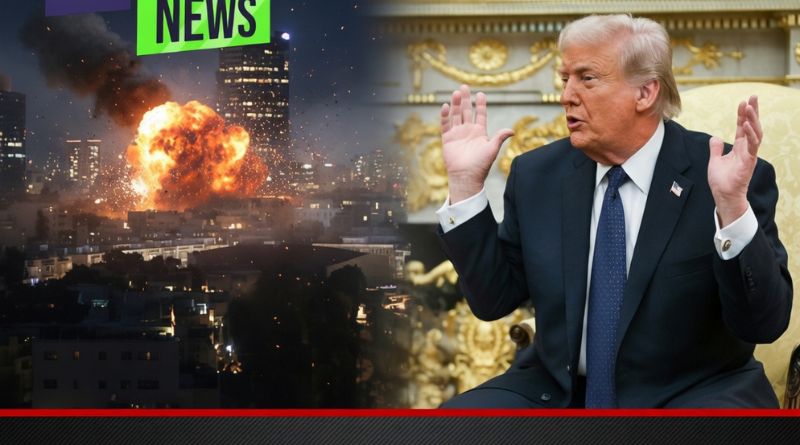
Geopolitical tensions have reached a boiling point as Operation Epic Fury—a massive U.S. military campaign—continues to hammer Iranian infrastructure. White House Press Secretary Karoline Leavitt confirmed that over 2,000 targets, including missile facilities, nuclear sites, and leadership hubs, have been neutralized thus far. While the administration frames these actions as a “resounding success” under the leadership of President Donald J. Trump, internal friction has emerged between Washington and Jerusalem. U.S. officials expressed significant alarm after Israeli forces independently targeted Iranian oil depots, a move the White House fears could trigger a spike in gasoline prices for Americans.
Despite the diplomatic strain with Israel over economic impacts, the Trump administration maintains a hardline stance. Leavitt asserted that the president is “correcting decades of cowardice” by directly confronting the regime and ensuring they pay for alleged crimes against America. The administration remains committed to dismantling the Iranian leadership through overwhelming military force, even as the threat of asymmetric retaliation grows. The shift from conventional warfare to the potential activation of sleeper cells presents a complex challenge for domestic security agencies, as they race to decode Iranian transmissions and prevent retaliatory strikes on American soil during this period of rapid military escalation.