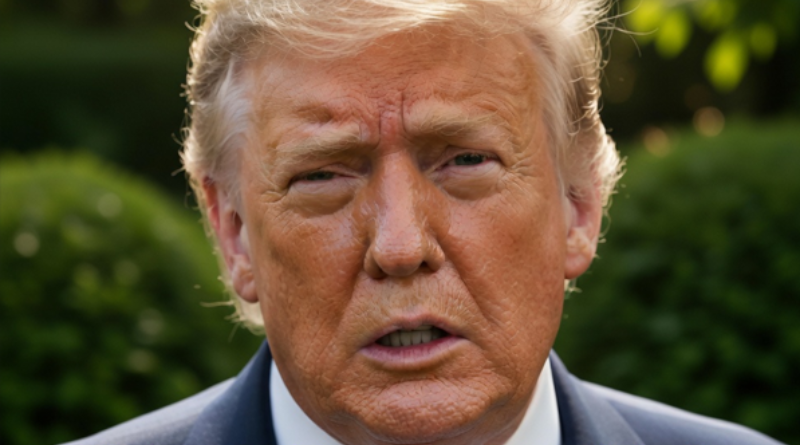
Recent comments from former Dan Bongino have drawn attention within security and policy circles after he raised concerns about the evolving threat environment surrounding former U.S. President Donald Trump. Bongino, who spent more than a decade with the United States Secret Service and served on protective details for multiple administrations, said his assessment reflects professional security experience rather than political commentary. According to Bongino, modern threats often arise from overlapping pressures rather than a single identifiable source.
He identified four broad categories of potential risk: foreign adversaries with strategic motivations, domestic extremists influenced by political rhetoric, internal tensions within government institutions, and the possibility that political considerations could affect security decision-making. While each factor independently warrants attention, Bongino argues that their convergence creates a particularly complex protective environment for a high-profile former president.
Among international concerns, analysts frequently point to lingering tensions with Iran following the 2020 U.S. drone strike that killed Iranian military commander Qassem Soleimani. Security experts note that such geopolitical events can produce long-term motivations for retaliation. Intelligence professionals also often cite the strategic posture of China, which closely monitors influential political figures who may shape future global policy. Bongino also emphasized domestic risks, noting that experts who study radicalization warn that inflammatory rhetoric can occasionally motivate isolated individuals. While such incidents remain rare, lone actors can be difficult to detect in advance. He concluded that protecting national leaders—past or present—must remain a strictly nonpartisan mission. Effective security, he said, depends on objective threat assessments and reinforces public confidence in national institutions.