The death of Mansoureh Khojasteh Bagherzadeh, the 79-year-old widow of Supreme Leader Ayatollah Ali Khamenei, marks a profound turning point in the current Middle Eastern conflict. According to reports from Iranian state television and The Wall Street Journal, Bagherzadeh succumbed to injuries sustained during a massive US-Israeli airstrike on the leadership compound in Tehran, an attack that had claimed her husband’s life two days prior. Following the announcement, the Islamic Republic declared a 40-day mourning period and a seven-day national holiday. State media has framed her passing as the realization of a “long dream of martyrdom,” predicting that her death will serve as a catalyst for a “massive uprising” against external oppressors. Bagherzadeh’s life was deeply intertwined with the revolutionary history of Iran. Having married Khamenei in 1965, she was the mother of six children and played a steadfast role in supporting her husband’s ascent. During the revolutionary period, she was known to have distributed pamphlets and hidden sensitive documents, though she humblely described these efforts as minor. In interviews, she often emphasized her domestic role in preserving a “calm atmosphere,” allowing the Supreme Leader to focus on his political duties. Her death signifies the complete dissolution of the Khamenei era’s inner circle, leaving a significant power vacuum within the regime. The humanitarian and military toll of the ongoing exchanges between Iran and US-Israeli forces has reached a critical level. The Iranian Red Crescent Society reports that at least 555 individuals have been killed, with military strikes targeting more than 130 cities. Reza Najafi, Iran’s ambassador to the International Atomic Energy Agency (IAEA), has vehemently condemned the bombardment of the Natanz nuclear enrichment site, dismissing Western claims regarding a nuclear weapons program as a “big lie.” Amidst this devastation, senior security official Ali Larijani initially signaled a hardline stance, stating that the nation would refuse any negotiations with the United States.
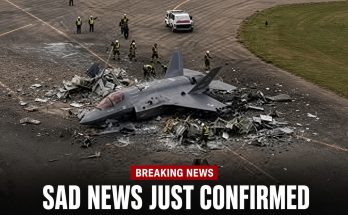
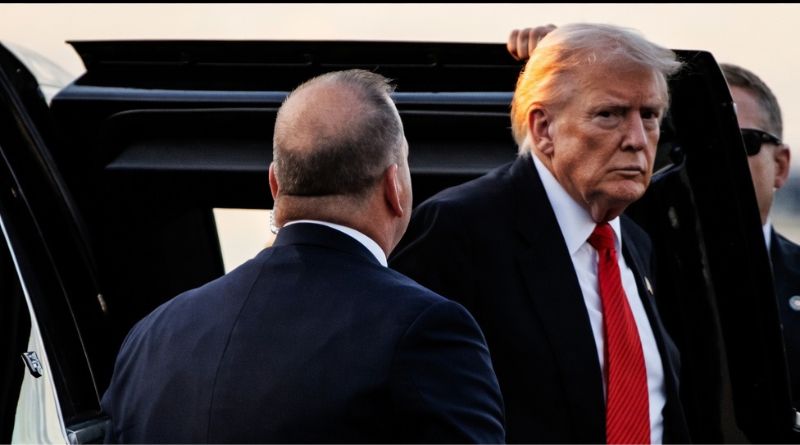
Regional instability has manifested in a series of retaliatory strikes and unintended military blunders. A pro-Iranian militia launched attacks on Irbil and a British base in Cyprus, while a drone boat strike near Muscat, Oman, resulted in the death of a mariner. In a chaotic defensive maneuver, Kuwaiti air defenses accidentally shot down three American F-15E Strike Eagles following an attack on the US Embassy in Kuwait City; US Central Command confirmed all crew members survived. Furthermore, Saudi Aramco was forced to temporarily shutter its Ras Tanura refinery after being targeted by Iranian drones. Despite the violence, a potential diplomatic opening has emerged. A senior White House official indicated that a “new potential leadership” within Iran has signaled a tentative willingness to engage in dialogue with Washington. While President Donald Trump confirmed he is open to speaking with these emerging figures, he emphasized that military pressure “continues unabated.” As Iran’s combat fleet enters the conflict for the first time, the international community remains watchful of whether this escalation will lead to total war or a forced diplomatic settlement.