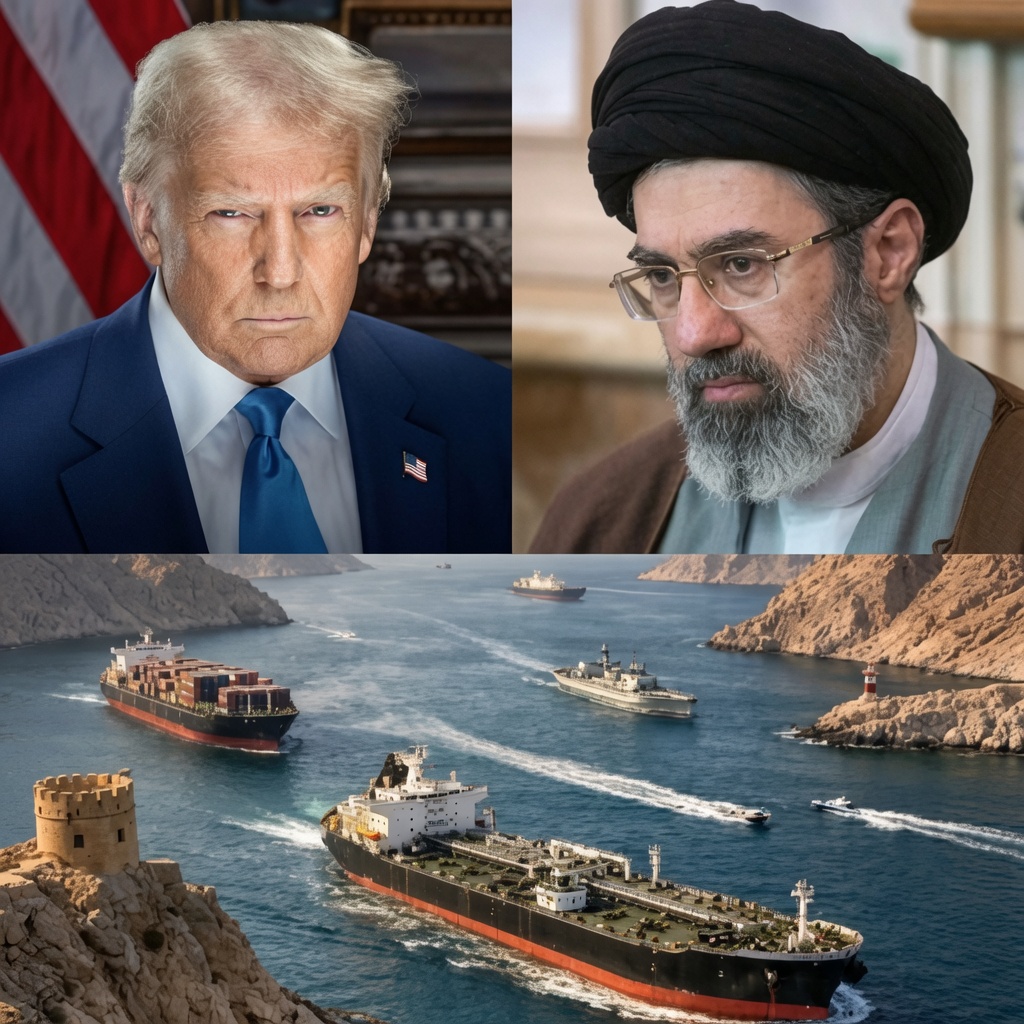
Iran Collects Millions in Transit Fees as Ships Navigate the Strait of Hormuz
More than 20 commercial ships successfully transited the Strait of Hormuz in the past 24 hours, with each reportedly paying Iran fees of up to $2 million, according to multiple maritime and media reports. This activity has generated over $40 million in a single day for Tehran, underscoring the strategic leverage Iran continues to exert over one of the world’s most vital maritime chokepoints.
The Strait of Hormuz, a narrow passage connecting the Persian Gulf to the Gulf of Oman, normally carries about 20% of global oil and liquefied natural gas supplies. In the context of the 2026 regional crisis involving US, Israeli, and Iranian actions, Iran has imposed “navigational service,” security, and transit fees on vessels seeking safe passage. Some payments have reportedly been made in Chinese yuan or even cryptocurrency, with individual tanker charges reaching around $2 million—roughly $1 per barrel for a fully loaded Very Large Crude Carrier (VLCC).
While not every vessel pays the maximum amount—some reports cite lower figures around $150,000 for certain operators—Tehran has formalized elements of this system through parliamentary measures and IRGC oversight. Ships must often provide cargo details and follow designated routes for clearance. Independent verification of exact daily aggregates remains challenging amid the conflict, but the pattern aligns with statements from Iranian officials and shipping intelligence sources.
This development highlights the high stakes in the region. Disruptions and added costs have already driven up global energy prices, insurance premiums, and rerouting expenses via longer alternatives like the Cape of Good Hope. Critics argue the unilateral fees challenge international norms on transit passage through strategic straits, while Iran frames them as compensation for security services and postwar reconstruction.
As tensions persist, the flow of energy and goods through Hormuz remains a critical barometer for global trade stability. Continued monitoring by maritime firms like Lloyd’s List and tanker trackers will be essential in the coming days.