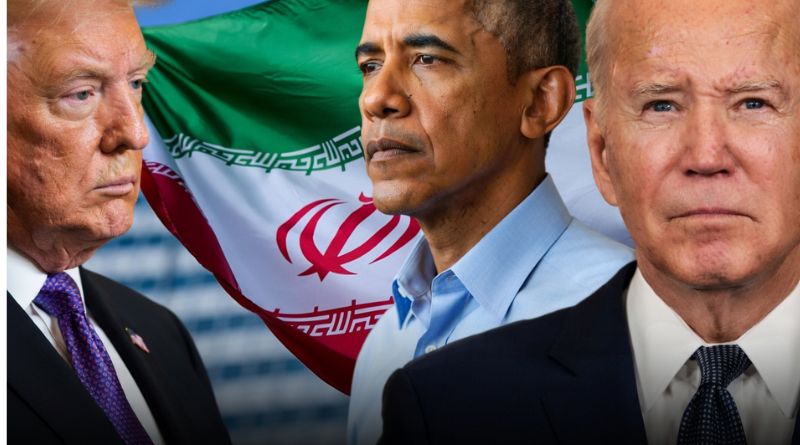
Determining whether Donald Trump was a stronger or more intelligent commander in chief than Joe Biden and Barack Obama depends largely on which leadership qualities are being measured. Military strength, strategic decision-making, diplomacy, crisis response, and alliance management all shape how presidents are judged in national security roles.
Supporters of Trump often point to his pressure campaign on NATO allies, his willingness to authorize high-profile military actions, and his emphasis on deterrence through direct rhetoric. During his presidency, he approved the strike that killed Iranian General Qassem Soleimani and pushed allies to increase defense spending. Critics, however, argue that his foreign policy style sometimes created uncertainty among traditional partners and weakened long-term diplomatic trust.
Biden’s defenders highlight his coalition-building during Russia’s war in Ukraine, where his administration coordinated military and economic support with European allies. His approach has often emphasized multilateral diplomacy, though critics question the Afghanistan withdrawal and broader strategic messaging during global crises. Obama is often credited for combining military force with diplomacy, including the operation that killed Osama bin Laden and the Iran nuclear agreement. Critics argue that some of his cautious decisions in Syria and other conflict zones projected hesitation. In the end, no clear consensus exists. Historians, military analysts, and voters continue to debate which style of leadership best serves the United States, because each president faced different threats, challenges, and global conditions.