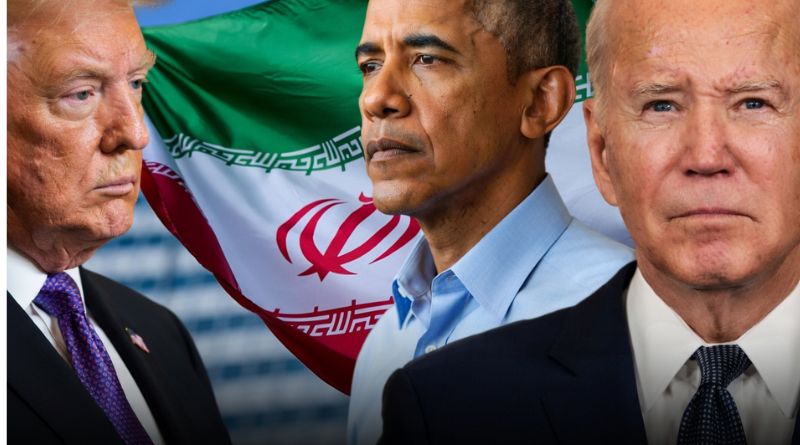
Whether Donald Trump was a stronger or more intelligent Commander in Chief than Joe Biden and Barack Obama depends largely on how leadership is measured. 🇺🇸 Each president faced different global challenges, used different governing styles, and pursued distinct military and diplomatic strategies. Supporters of Trump often point to his direct and confrontational decision-making style. During his first term, he approved major military actions such as the strike that killed Iranian General Qassem Soleimani and increased pressure on NATO allies to raise defense spending. His administration also emphasized deterrence through economic sanctions and forceful rhetoric, which many supporters viewed as projecting strength abroad.
Obama’s supporters often highlight his emphasis on coalition-building and measured military engagement. His administration authorized the operation that killed Osama bin Laden, expanded drone warfare against terrorist targets, and promoted a strategic shift toward Asia. Critics, however, argued that some foreign policy decisions were too cautious in rapidly changing conflicts.
Biden’s presidency is frequently evaluated through the lens of alliance management and crisis coordination. His administration oversaw the U.S. withdrawal from Afghanistan, supported Ukraine through international partnerships after Russia’s invasion, and strengthened alliances such as NATO and AUKUS. Supporters describe this as steady multilateral leadership, while critics focus on operational challenges, especially during the Afghanistan withdrawal. Ultimately, judgments about who was “stronger” or “more intelligent” as Commander in Chief often reflect political values more than measurable fact. Some voters prioritize decisiveness and military pressure, others value diplomacy, alliance-building, and long-term stability. ⚖️ In presidential leadership, strength can look very different depending on which outcomes matter most.