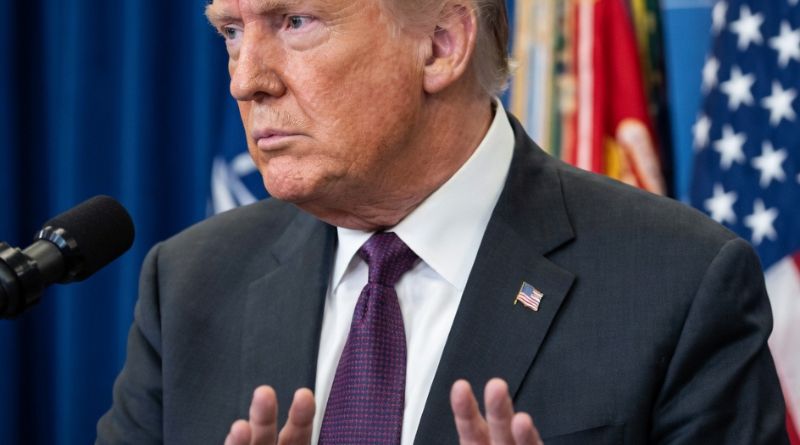
Donald Trump delivered a sharp warning about the future of North Atlantic Treaty Organization, saying the alliance could face serious consequences if member nations fail to support efforts to secure the Strait of Hormuz, one of the world’s most strategically important oil transit routes. His comments came as global oil markets reacted nervously to rising tensions in the Persian Gulf. Brent Crude prices climbed above $106 per barrel, reflecting growing concern that instability in the region could interrupt energy shipments and place additional pressure on global supply chains. In remarks given during an interview with Financial Times, Trump argued that countries most dependent on Gulf energy exports—including several European nations and China—should play a larger role in protecting maritime traffic through the narrow waterway.
The Strait of Hormuz carries about one-fifth of the world’s oil supply, making it one of the most sensitive chokepoints in global trade. Any disruption there could rapidly affect fuel prices, intensify inflation, and create wider economic uncertainty across international markets. Trump stressed that responsibility for safeguarding the route should not rest entirely with the United States. He said nations that benefit directly from the steady flow of Gulf oil should contribute more actively to maintaining security in the region. Tensions increased further after Iran announced that most international vessels would still be allowed to pass through the strait, while ships associated with the United States and Israel would face restrictions.
Trump also criticized several NATO partners for what he described as insufficient cooperation. He pointed to conversations with Keir Starmer, arguing that stronger allied coordination should happen before major military decisions are made. He presented the issue as a broader test of alliance unity, suggesting that NATO’s response could shape both regional stability and the organization’s long-term credibility. ⚠️🌐