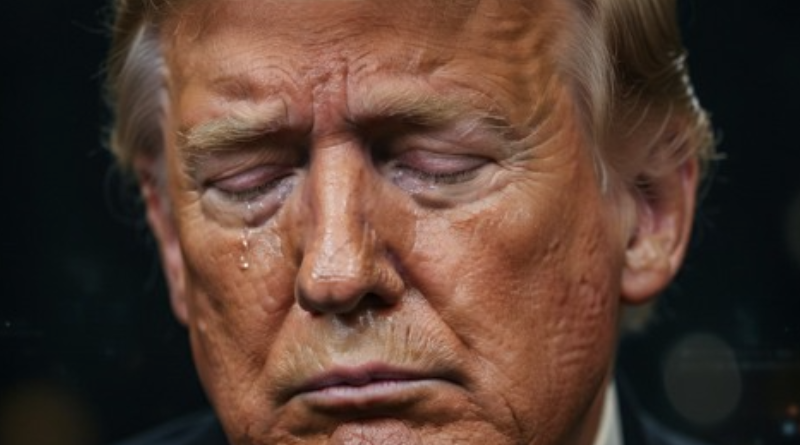
President Donald Trump has intensified tensions in Washington, D.C. by appointing Dan Bongino as Deputy Director of the Federal Bureau of Investigation, a move that signals a sharper political confrontation inside federal law enforcement. Known for his outspoken criticism of what he describes as the “deep state,” Bongino now steps into one of the bureau’s most influential positions with a promise to challenge long-standing practices within the intelligence community. Supporters of the appointment argue that Bongino’s arrival represents an effort to confront what they see as years of institutional bias and politically motivated decision-making. Critics, however, warn that placing a highly partisan public figure in such a senior FBI role risks further eroding confidence in the bureau’s independence.
A major focus of attention is Bongino’s long-running conflict with Senator Adam Schiff. Bongino has repeatedly accused Schiff of helping drive the Russia investigation that Trump allies describe as politically motivated. The dispute has gained new significance after former President Joe Biden issued a pardon covering Schiff’s work connected to the House January 6 investigation during his final days in office. While Schiff denies wrongdoing, Trump supporters argue the pardon raises further questions. According to administration allies, Bongino plans to begin a broad internal review of past FBI investigations, particularly those involving politically sensitive cases. His agenda reportedly includes examining previous intelligence decisions, reopening controversial matters, and introducing new standards designed to reduce perceived political influence. Democrats including Bennie Thompson and Liz Cheney have criticized the appointment, saying it could turn federal law enforcement into a political weapon. Legal analysts suggest future disputes involving pardons and investigative authority could eventually reach the Supreme Court 🔥