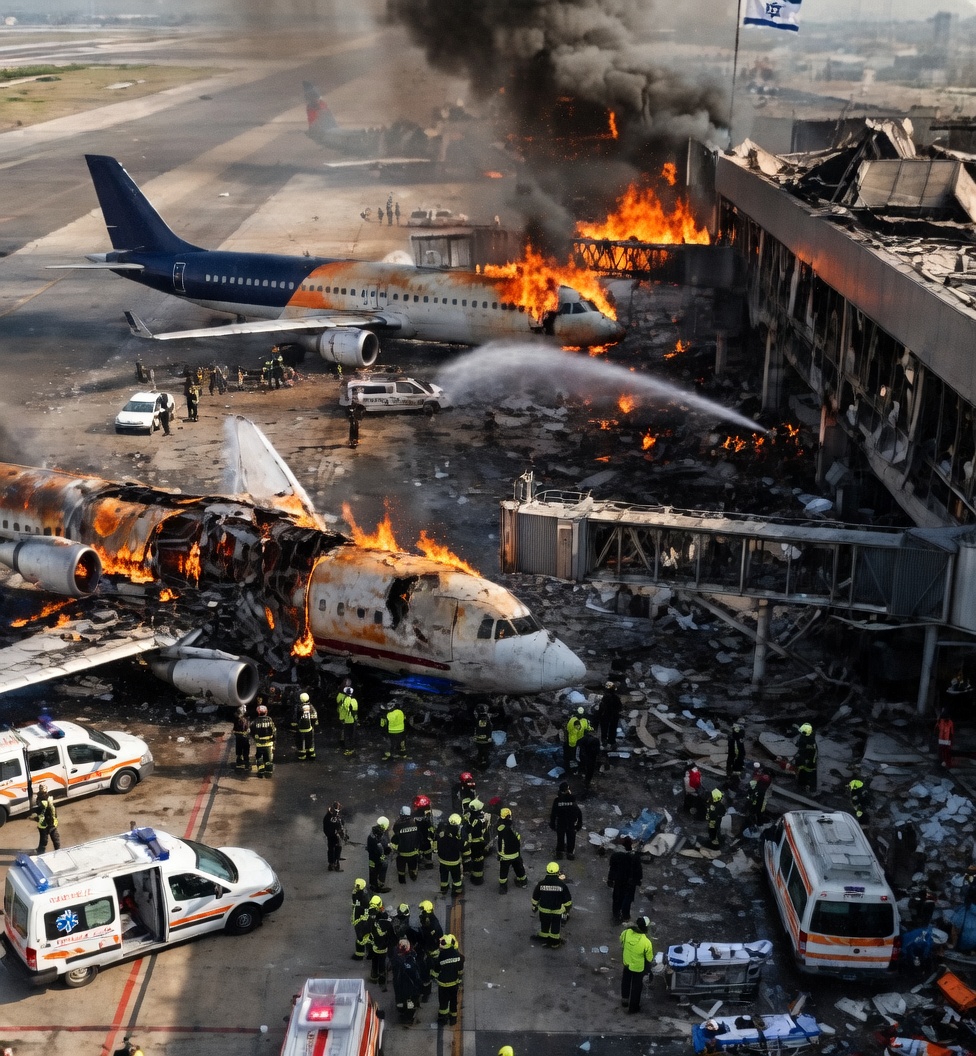
In a severe escalation of regional hostilities, Iran has launched ballistic missiles at Tel Aviv, reportedly utilizing cluster warheads for the first time in this phase of the conflict. Tehran characterized the strike as a retaliatory measure following the assassination of a high-ranking Iranian security official by Israeli forces. The assault resulted in multiple flashes over central Israel, causing significant damage to infrastructure and the deaths of at least two civilians. The use of cluster munitions has drawn particular scrutiny, as these weapons disperse numerous submunitions over a wide area, posing a lasting humanitarian threat to civilian populations due to unexploded ordnance. The current volatility is part of a broader conflict intensification that began in early 2026. Iran has expanded its military operations to target Israeli urban centers, U.S. bases, and strategic facilities across the Gulf, including locations in Kuwait, Bahrain, the UAE, and Saudi Arabia. In response, Israel and the United States have conducted retaliatory airstrikes within Iran, specifically targeting military and nuclear infrastructure. While Israel’s defense network—including the Iron Dome and Arrow-3—has intercepted many threats, the sheer volume of the barrage and the introduction of cluster warhead technology have tested the limits of current missile defense capabilities.
The conflict’s ripple effects are being felt globally, with energy markets surging amid fears of sustained attacks on Gulf energy infrastructure. Despite mounting international pressure, diplomatic efforts have yet to secure a ceasefire. Both Iran and Israel have signaled a commitment to continued military action, leaving the region in a state of profound uncertainty. As casualties and property damage rise on both sides, the potential for a full-scale regional war remains a primary concern for the international community.