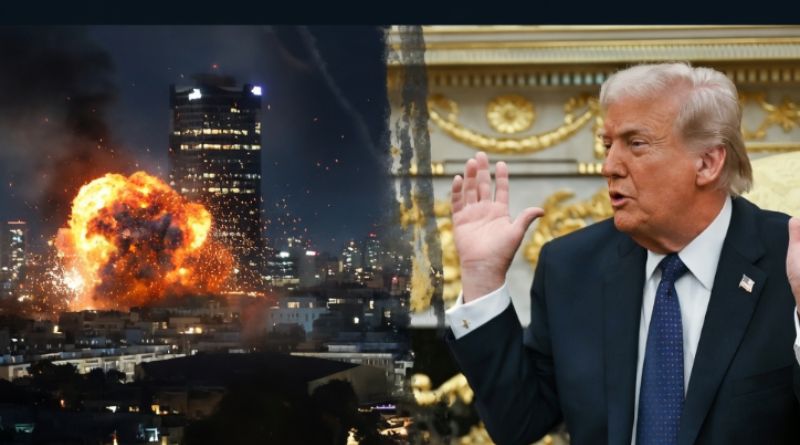
Iran’s retaliation to recent Israeli strikes has expanded beyond direct military targets, with reports indicating attacks on oil and natural gas facilities across several Gulf countries, including Saudi Arabia, the United Arab Emirates, and Qatar. The escalation follows Israel’s strike on South Pars gas field, one of the most important energy sites in the world and the largest natural gas field globally, shared by Iran and Qatar. The exchange has intensified fears that the conflict could destabilize global energy supplies and send fuel prices even higher ⚠️⛽🌍 Israel’s attack on South Pars took place Wednesday and marked one of the most significant strikes on Iranian energy infrastructure in recent years. Iranian media quickly described the operation as a direct assault on the country’s economic backbone, and within hours Tehran reportedly launched retaliatory strikes aimed at key Gulf energy installations. The region now faces growing concern that critical oil and gas facilities may become repeated targets if hostilities continue. Global markets reacted immediately. Traders focused on the vulnerability of both South Pars and the nearby Strait of Hormuz, a narrow shipping corridor through which a large share of the world’s oil passes each day. Brent crude surged to around $119 per barrel during early trading before easing slightly, while European wholesale natural gas prices jumped sharply, rising as much as 25 percent 📈 In the United States, oil prices briefly climbed above $100 per barrel before settling near $96. Since the broader conflict with Iran intensified in late February, crude prices have risen roughly 45 percent, raising concerns about inflation, transportation costs, and consumer energy bills.
Donald Trump responded by warning that Israel would refrain from additional attacks on South Pars unless Iran targeted Qatar again. In a statement posted online, Trump said that if Tehran struck Qatari territory once more, the United States would respond with overwhelming force against the entire gas field. Officials familiar with leadership in Qatar say frustration is growing there, as the country views itself as increasingly exposed despite being closely aligned with Washington. Much of Qatar’s wealth depends on uninterrupted gas exports, and any threat to shared infrastructure creates major economic risk. To calm markets, the Trump administration has taken several emergency steps, including easing some sanctions on Russian oil exports and temporarily relaxing domestic shipping restrictions. Treasury Secretary Scott Bessent also said Washington is examining whether Iranian oil currently stored offshore could be released to increase global supply. Energy analyst Andy Lipow warned that even if fighting stopped soon, the impact would not disappear quickly 🔧⏳ Damage to large-scale energy facilities can take months or years to fully repair, and future oil prices will likely continue reflecting the risk of renewed disruption across the Gulf.