In a development that signals a profound shift in Middle Eastern geopolitics, Iranian state media has confirmed the death of Mansoureh Khojasteh Bagherzadeh, the 79-year-old widow of Supreme Leader Ayatollah Ali Khamenei. Her passing occurred two days after her husband was killed in a high-profile US-Israeli airstrike targeting his compound in Tehran. While the Supreme Leader succumbed immediately, Bagherzadeh died of her injuries shortly after. State television has framed her death as a fulfillment of a “long dream of martyrdom,” predicting that her demise will ignite a massive uprising against foreign intervention. This emotional announcement was accompanied by the declaration of a 40-day mourning period and a seven-day national holiday, underscoring the gravity of the leadership vacuum now facing the Islamic Republic. The life of Bagherzadeh provides a glimpse into the private world of Iran’s top leadership. Married to Khamenei in 1965, she was the mother of six children and played a quiet but instrumental role during the 1979 Revolution. Despite her own description of her revolutionary activities—such as hiding documents and distributing pamphlets—as “not worth mentioning,” she remained a constant pillar of support for the Supreme Leader during his imprisonments and his decades-long rule. Her death marks the end of an era for the Khamenei family, which has dominated Iranian politics for nearly half a century.
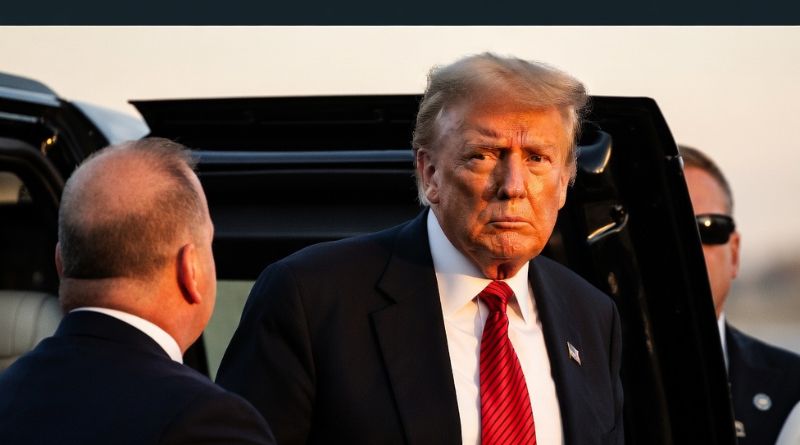
The military context surrounding these deaths is increasingly volatile. The Iranian Red Crescent Society reports that at least 555 people have been killed across Iran as US-Israeli forces target more than 130 cities. Reza Najafi, Iran’s ambassador to the International Atomic Energy Agency (IAEA), has condemned the strikes as “unlawful and brutal,” specifically highlighting attacks on the Natanz nuclear enrichment site. While Najafi maintains that the site is for peaceful purposes, the intensity of the air campaign suggests a coordinated effort to dismantle Iran’s strategic infrastructure. Meanwhile, senior security official Ali Larijani has remained defiant on social media, initially rejecting any possibility of negotiations with Washington. Retaliatory measures have quickly rippled across the Middle East. Pro-Iranian militias and regular forces have launched strikes against American and British assets in Kuwait, Iraq, and Cyprus. In a notable incident, Kuwaiti air defenses mistakenly downed three American F-15E Strike Eagles near the US embassy, though all aircrew were safely recovered. Energy markets have also been disrupted; Saudi Aramco was forced to temporarily shutter its Ras Tanura refinery following drone attacks, a move described by Saudi Arabia as a precautionary measure. Casualties have also been reported in Israel and Lebanon, as the conflict expands into a multi-front regional war. Amidst the escalating violence, a surprising diplomatic opening has emerged. White House officials have indicated that a “new potential leadership” within Iran has signaled a willingness to engage in dialogue with the United States. President Donald Trump has confirmed his intent to speak with these figures, noting that “they want to talk.” However, the administration maintains that the military operation “continues unabated” for the time being. As the Islamic Republic enters a period of deep mourning and internal restructuring, the world watches to see if this transition of power will lead to further escalation or a historic diplomatic breakthrough.